5 Amazing AI Tools and Ideas That Every Stone Countertop Shop Can Implement
Artificial intelligence is no longer just for big tech, but becoming an everyday operating advantage for fabricators who are willing to take the leap and begin

Need to Know
- AI is becoming a practical tool for countertop fabrication shops, helping improve efficiency, profitability and scalability without requiring major technical expertise or large software investments.
- Use the CRAFTS framework to build structured AI prompts that help teams create more reliable outputs for quotes, customer communication and other repetitive tasks.
- AI image generation is giving fabrication businesses a faster way to showcase designs, create marketing visuals and help customers better visualize countertop materials in real-world spaces.
- Shops can also use AI internally to analyze financial data, study competitor positioning and automate repetitive office tasks, which saves time and supports smarter business decisions.
AI is everywhere, but for most stone countertop shops, the opportunity is far more practical than people think. You do not need a data science team or a massive software budget. Many of the most useful AI tools in our industry can be built and used by owners, sales leaders and managers with only a working understanding of how modern AI tools behave.
That matters because fabrication is full of repeatable decisions: answering customer questions, comparing competitors, presenting design ideas, training employees and reviewing financial trends. These are exactly the kinds of tasks AI can accelerate. Thryve launched into the stone market around that belief, focusing on practical, high-ROI tools that can improve profitability, efficiency and scalability for fabricators. Thryve is fully committed to the belief that shops can achieve 30 to 50% cost reductions, 2x-plus revenue per employee and EBITDA improvements well above traditional industry averages when AI is applied to the right workflows.
For shops wondering where to start, here are five high-impact ideas you can put to work now.
1. Start with a Repeatable Prompt Model
Most shops fail with AI for the same reason they fail with any tool: inconsistent inputs create inconsistent outputs. One of the easiest ways to improve results is a simple structure called CRAFTS: Context, Role, Audience, Format, Task and Shots. Using this helps users get cleaner, more reliable outputs from tools like ChatGPT and Gemini. Developing a simple spreadsheet that has columns for each letter and then combines into one prompt is easy and very effective.
That means instead of typing, “Write me a countertop quote,” your team can provide the kitchen style, customer budget, desired tone, exact output format and an example of a good answer. The jump in quality is immediate.
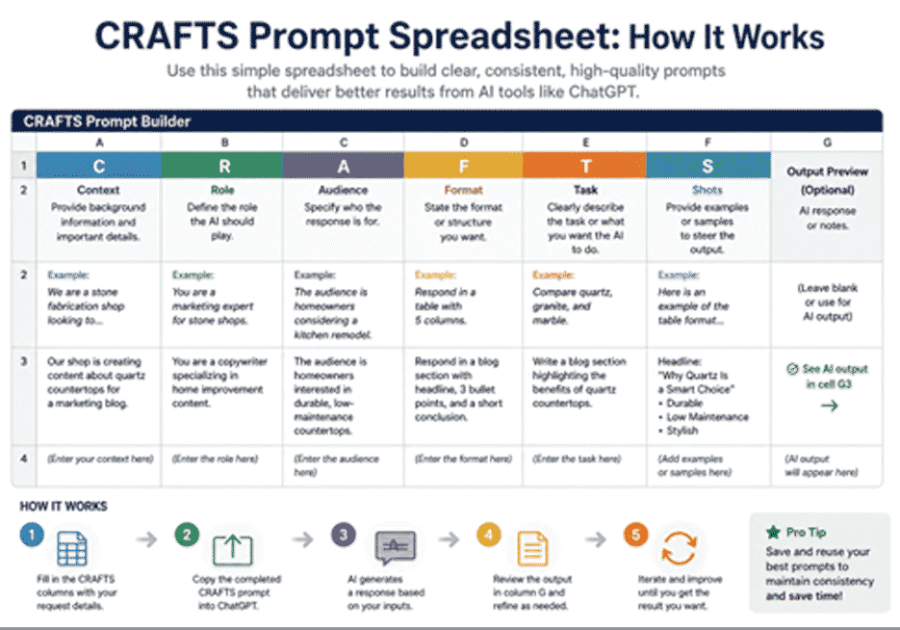
Figure 1. The CRAFTS framework gives shops a repeatable way to get better results from AI prompts. Graphic courtesy of Thryve/Generated by ChatGPT
2. Use AI Image Generation to Sell the Vision
One of the fastest wins for a fabrication business is countertop visualization. Shops can use AI to create polished kitchen scenes, swap materials into a room and generate lifestyle-style imagery for social media, ads and showroom follow-up. No longer do you need an “after” picture of your install; let AI do it.
For the customer, this improves confidence. For the sales team, it shortens the distance between a slab sample and a buying decision. And for the shop, it creates a much larger content library without scheduling costly photo shoots every time you want to showcase a new look.
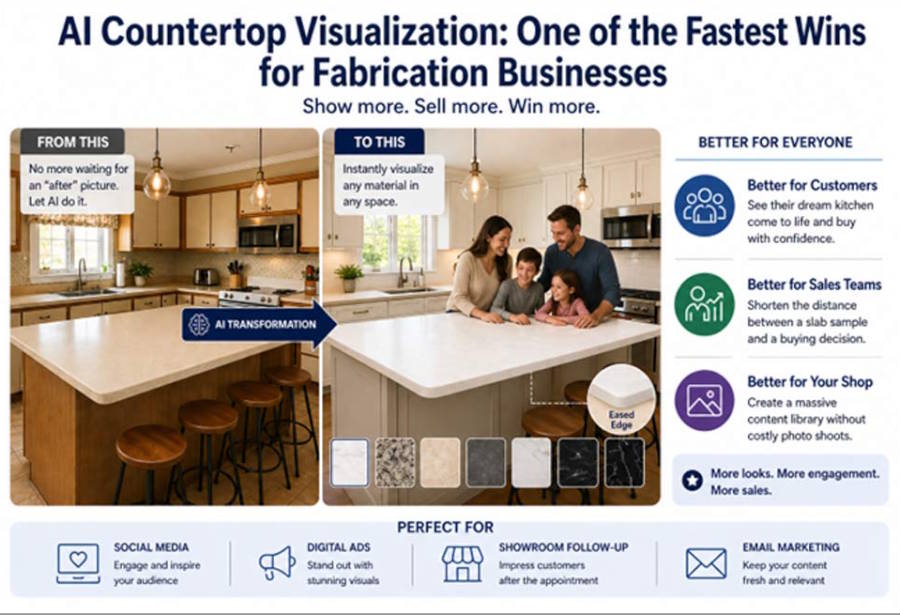
Figure 2. AI image transformation created in two minutes. Graphic courtesy of Thryve/Generated by ChatGPT
3. Build a Competitive Analysis GPT
Another powerful idea is using a Custom GPT to study your market. This is not about spying on competitors. It is about understanding how your company appears online, how rivals present their value, what themes keep showing up in reviews and what AI search tools may infer about your brand versus others.
With the right setup, you can ask questions like: What do my competitors seem to emphasize? Where is my online presence weak? What content should I publish to improve visibility? How would an AI assistant describe my company compared with local competitors?
That is where AI shifts from content generator to strategic assistant. It helps shops sharpen positioning, improve local SEO and increase the odds that they are recognized accurately inside AI-driven discovery tools.
4. Turn ChatGPT Projects into a Financial Business Assistant
Once a shop is comfortable with prompt discipline, the next step is adding company-specific knowledge. A great way is building a financial analysis tool inside a business-grade GPT environment (so that you data is not shared – important) by loading in multiple years of monthly financials, then asking the system to spot trends, build tables, surface red flags and even frame the business the way a potential acquirer might.
This is one of the most overlooked uses of AI in fabrication. Owners already have valuable data in QuickBooks, spreadsheets and management reports. AI can help summarize margins by category, identify cash-flow pressure points, compare labor trends and translate raw numbers into management questions worth discussing at a leadership meeting.
5. Launch Small Internal Assistants that Save Time Every Week
Not every AI project needs to be flashy. Some of the best returns come from simple internal tools. These include HR bots tied to handbooks and state regulations, FAQ bots, proposal writers, checklist for builders and SOP helpers.
These tools matter because fabrication shops are full of interruptions. Employees ask the same policy questions. Salespeople rewrite the same follow-up messages. Managers recreate the same checklists. AI can absorb that repetitive work and give the team back hours each week.
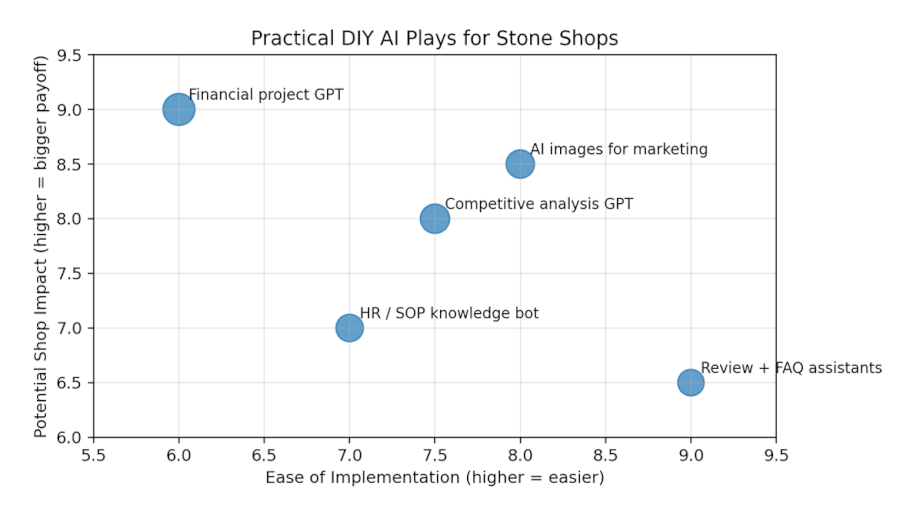
Figure 3. An illustrative view of which DIY AI projects are easiest for shops to start and where the payoff can be strongest. Graphic courtesy of Thryve/Generated by ChatGPT
AI is no longer just for big tech. It is becoming an everyday operating advantage for fabrication shops that are willing to begin. Start with a prompt framework like CRAFTS, pick one customer-facing use case and one internal use case and measure what changes. That is how AI becomes real in a stone shop: not as hype, but as practical leverage.
Looking for a reprint of this article?
From high-res PDFs to custom plaques, order your copy today!