When the Going Gets Tough, The Tough Need Leadership!
Leadership can be a company’s most valuable asset, which ironically, will never appear on any financial statement. While there have been countless books written on the subject, tackling it from as many angles, the one constant shows leadership is neither a given nor is it an option. It essentially is compulsory to any interpretation of sustainability. What we are experiencing in the world today is tantamount to very stormy conditions with many forecasts being rather ominous. Therefore, as the title suggests, when times get tough, the “tough” need teamwork, alignment, messaging, tightening the belt, communication, resilience, flexibility, reassurance, cooperation and the comfort to know someone has their back -- all this in one word, leadership.
Let’s take a look at a partial yet rather ominous list of dynamics we are facing today:
- Tariffs
- Global geo-political unrest
- Cyber security: risk of attack and insufficiently engineered against the risks
- “A.I. taking over the world”
- ICE and immigration
- Silicosis and your workers’ health and well-being
- Silicosis and threats of lawsuits
- The growing divide in the domestic socio-political landscape
- Construction futures
- Existing wars and the threat of “World War III”
- Increased tensions, re: domestic security and attacks
It’s a pretty miserable list we are contending with, are we not? Sadly, it’s very real. All are potentially life/business altering, with any one of them individually being more potent than another. For many, while the unrest and unknown we see today is not their first rodeo, undoubtedly, some of these dynamics are new and their effects will require a high degree of strategic leadership to get through the storms.
“Getting through the storm”
Imagine for a moment you are on a boat with a small team aboard, out in the middle of the ocean, when suddenly a bad storm whips up; your navigation goes down, you have no idea if you’re on course or not, you’re taking on water faster than you can bail it, the wind has you turning all about, the wave undulations are enormous, you’re burning fuel faster than expected to just keep the boat from getting broadsided, the threat of capsizing looms high with every minute that passes, you cannot see land and have no idea where you are or are heading -- tempers and panic are running high. Now, is the object of the captain here to secure a record-breaking harvest and get back to port on time or early, showing they conserved 20% more fuel than last year?
Surely not. The object instantly changes to how can we survive this brutal onslaught and get out of this with the least “damage” as possible -- whatever that may look like. In this example, I think often times, many forget that leadership’s most significant impact on a company is during the hard times and how things are managed. While there is incessant pressure to grow and push the “top end” higher, let’s be real, the worst-case scenario of not pushing high enough is less growth and/or profit than desired, which may lead to some “adjustments” in the business model. However, and it’s a huge however, the worst-case scenario for leadership failing to effectively lead through crises is the end of the business entity and jobs and livelihoods of all its workers and families. What makes leadership so valuable is its ability to positively persevere and not degrade under pressure. Difficult and stressful times tend to magnify a person’s weaknesses and or (character) flaws. When tough times hit, an effective leader will actually step up their game and perform even better -- embracing the teams and creating synergies. The annealed team becomes like a super powerful unit to fight and fend off the onslaught of uncertainty and challenges.
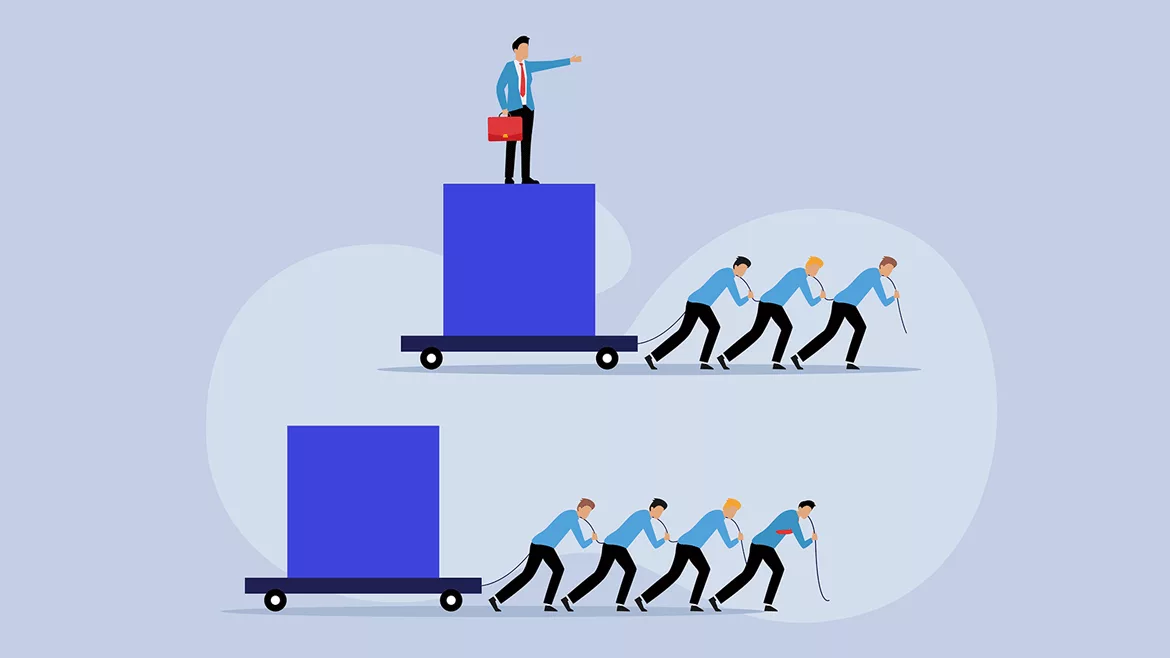
Often, however, very challenging circumstances will unveil core weaknesses in a person, and latent flaws are revealed in ways of selfishness, commanding more than doing, deflecting accountability, pointing fingers, alienating verses embracing teammates and hiding versus getting on the front lines. The individual is then exposed to not having the foundation to effectively lead through highly adverse times, and this dynamic is often depicted as a leader verses a boss.So what does this mean for our fabrication businesses? While each business is unique and whose vulnerability to the threats listed above will vary greatly, there are some common “techniques” to all that can be deployed to “lead the storm.”
Silicosis: Worker Safety and Threat of Litigation
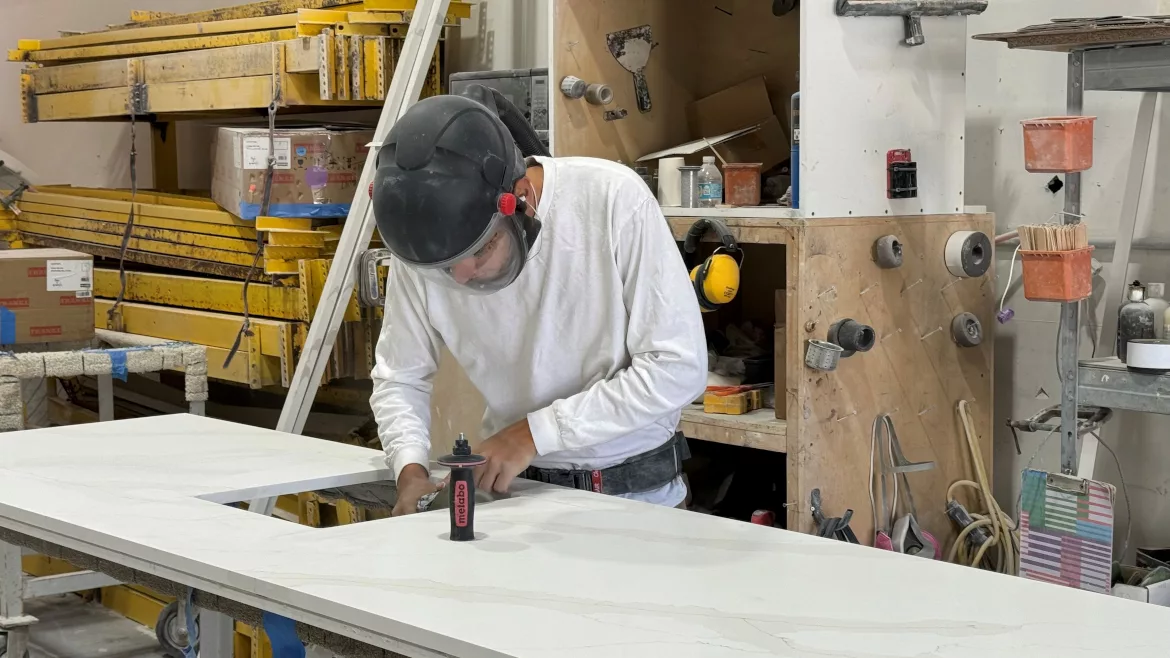
We cannot change whatever has happened up until today, but we can forever change the slope of the future risk curve to zero or near zero -- taking all the appropriate measures immediately. This may require leadership to redefine workflow, shop layout, job functions, invest in new/better dust management, re-script operating protocols, establish training, education and periodic testing, talk to many suppliers of equipment, talk to friendly competitors and compare, establish layers of accountability and cross-functional accountability, and re-define the one- to five-year plan to include a Safety Fund where monies are set aside for necessary protocol changes as the landscape continues to unfold and define future paths. This fund would provide for more necessary equipment, equipment upgrades; taking on new materials which may require greater sales and marketing efforts; worker support; greater OSHA compliance, etc. The key here is to be proactive and to know change is coming. And while we cannot define exactly where and to what extent, we CAN define how we react to the risks and shift some focus into business and worker preservation and safety (i.e. managing the storm).
Tariffs
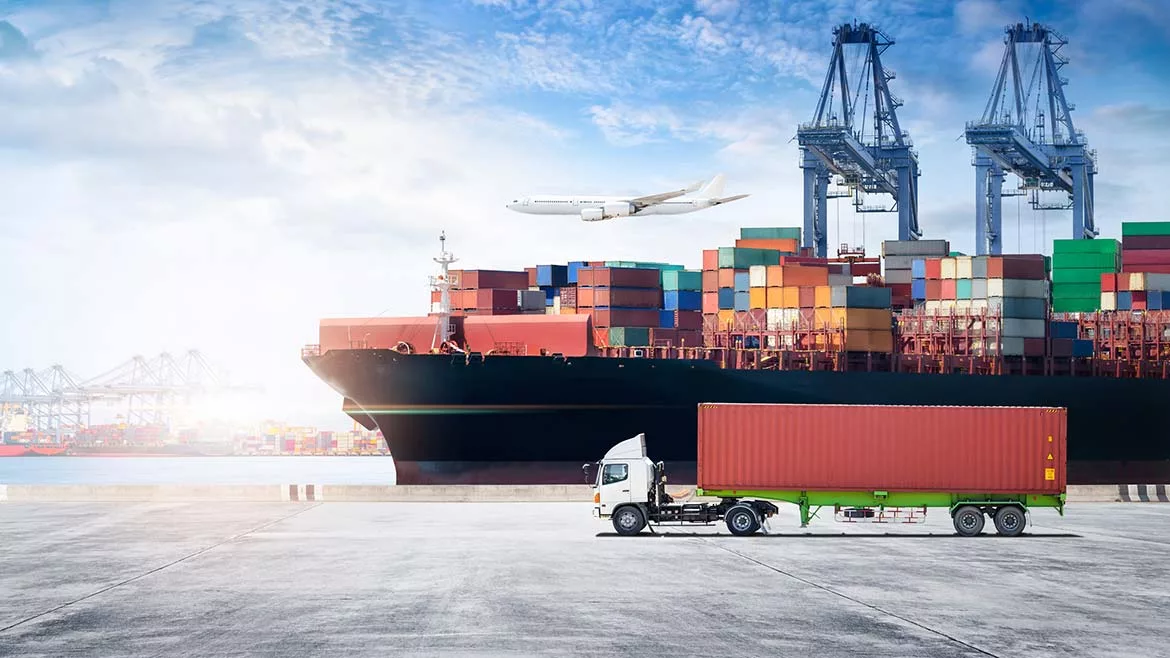
There’s not a channel nor hour of the day some attention is being paid to the tariff situation. When, IF, how much, how long, all loom daily. While the efficacy of the tariffs will eventually and hopefully stimulate our domestic economy, there are so many variables that go into the shaking out of the net benefit, that this interim period is fraught with much uncertainty, and where we may see some short-term inflation. So how does leadership manage this storm?
- Should we buy more Made in America goods to hedge the higher cost of imports?
- Should we risk the great relationships with our suppliers to find others?
- Should we be finding other products?
- Should we establish buying groups to increase our purchasing power and thereby have some leverage over the degree to which increases may be passed down?
- Can I negotiate with my suppliers to get creative with the pricing across the various colors/levels to strategically lessen the impact on some levels?
- Should I consolidate purchases with fewer suppliers to increase buying power and get the remaining suppliers to “eat” all or much of the increase otherwise scheduled to pass through?
There is not a second to staying informed -- listening, talking to peers and reading. To what extent strategic change will be adopted and deployed depends on the unique situations of each business. Leadership must be thinking carefully and have their contingency plans that include a swing analysis: i.e., what would be the projected effects of their decisions on the business assuming their assumptions were either very right or very wrong. We are all wading in uncertainty and there is no crystal ball -- however, the swing analysis can provide a hedge to decision making. Hedging may realize an opportunity cost (i.e, hindsight is 20/20) or is the insurance policy to “less loss” -- either way, hedging is a conservative move towards reducing uncertainty and when it comes to business sustainability and worker livelihoods, hedging is leading through the storm.
Artificial Intelligence (AI)
As sure as the sun will rise tomorrow, AI is here and expanding rapidly. There is global competition to be the world leader, so what does that tell you? Ignorance produces fear and fear distorts decision making, therefore:
While the future power of AI is as frightening as it is game changing,
it must be dealt with head-on and
converted from threat to opportunity.
AI will absolutely require a culture shift in your business. Culture encompasses job functions and responsibilities; requires embracing and accepting; thought leadership in how its power can be leveraged to thrust your business forward; and potentially redefining overall budgets per department depending on its strategic utilization and deployment.
Here again, if you are in the middle of the ocean and know for 100% certainty a storm is coming, highly effective and sustainable leadership will be proactive in monitoring the situation, learning and educating, getting their teams on board however slowly that may be, plotting and planning, seeking advice from peers and professionals, and proactively evaluating all the different ways AI can be implemented. This then leads to re-evaluating your capital budget plans and creating a strategic hierarchy of necessity and adoption timelines, considering: those applications which are most necessary; could give a competitive advantage; which can be added in stages; which require the largest re-alignments of duties and procedures, etc. No small task, but one that is absolutely necessary.
With respect to the other foreboding dynamics listed, the common thread to all of these is the need for strong leadership. We are in a time where significant change could come at any moment to our business. Those in your organization who realize this could experience much anxiety, which will lead to reduced performance and the possibility of spreading the anxiety throughout the organization -- remember, negativity breeds negativity.
Leaders need to ensure they are actively and proactively doing the following:
- Communicating frequently to all levels in the organization
- Educating and updating
- Being seen and available
- Creating teams and leaders within the teams to ensure communication stays open and create “support/safety” groups where workers can safely talk about concerns and share ideas.
- Focus on making a very safe corporate culture that encourages approaching you or any other “top brass” with all of you being very amenable and accessible
- Transparency
Listen and solicit ideas from everyone in the organization
Leaders are made, not born. They are emotionally intelligent and their experiences have chiseled them into the “work of art’” they are today. Leadership training and development will have positive returns within your organization; a sort of reinvestment in your people to ensure sustainability.
While often a business can run on automatic pilot, i.e. taking things, people, feelings and situations for granted, it’s exactly then you are most vulnerable to culture degradation, splinters and fractions, dissent, job dissatisfaction, higher turnover and more. Leadership is not an option, nor is it an “as needed” function. Leadership is the essential lifeblood of the organization and whose “yield” can be the most impactful dynamic in an organization. This yield we speak of is the very glue and fertilizer every company needs to not just survive, but thrive, and yes, even during the stormiest of times.
Looking for a reprint of this article?
From high-res PDFs to custom plaques, order your copy today!