Brazilian Stone Industry Faces Crisis as U.S. Tariffs Threaten Supply Chain

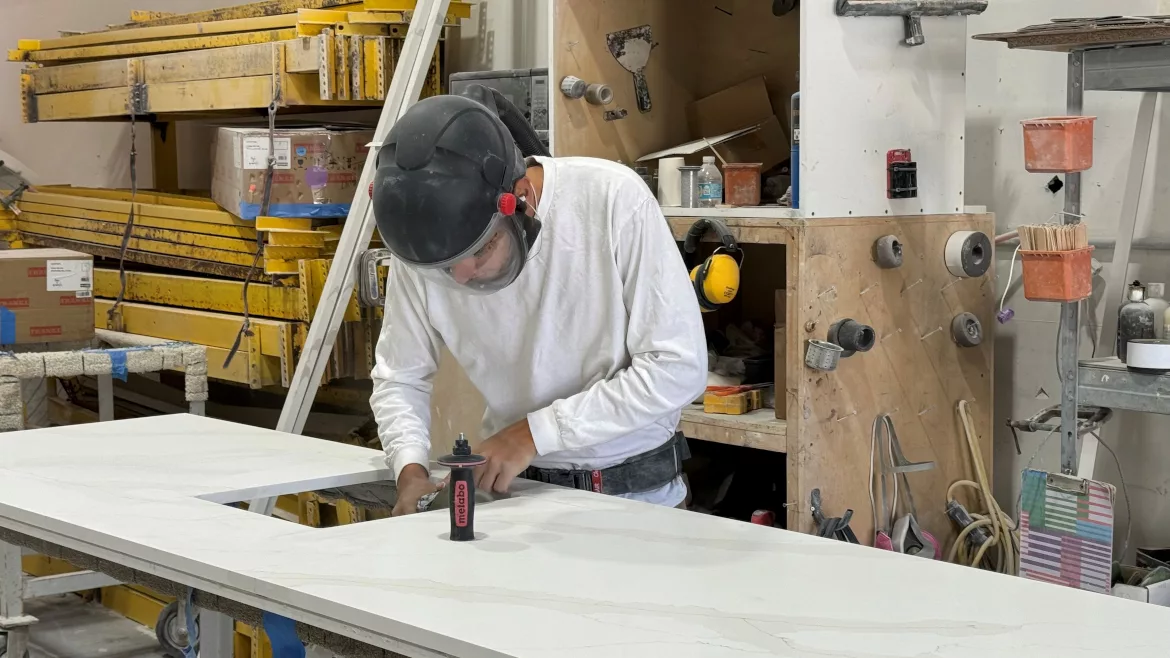
Photo by Jason Kamery
The Brazilian natural stone industry, once headed for its best export year on record, now faces an unprecedented challenge as 50% U.S. tariffs threaten to disrupt a critical supply chain that supports American fabricators and homebuilders.
Fabio Cruz, a representative of Centrorochas, Brazil's stone industry organization, outlined the severity of the situation during a recent interview on the Stone World Podcast. The tariffs, which exempt quartzites but include granites and marbles, have caught the Brazilian stone sector off guard.
"We were on a route to have the very best year of Brazil, as far as exports. If we take from January to June, comparing to the same period of last year, we were already up to 20% in revenue," said Cruz. "However, when the tariffs... the whole tariffs subject started, we never thought that we were gonna get hit by this much, especially because, within recent studies from Natural Stone Institute, 85% of all the natural stone consumed in the U.S. is imported, and Brazil is the major exporter, the major supplier to the U.S."
The impact extends far beyond Brazilian exporters. According to Cruz, recent data from the National Association of Home Builders shows that U.S. home prices have already increased by an average of $11,000, with tariffs contributing significantly to this rise. The disruption threatens American businesses that have built their operations around Brazilian stone imports over the past two decades.
Cruz emphasized that Brazilian stone slabs should be viewed as raw materials essential to U.S. manufacturing, not finished products. The slabs require processing by American fabricators before becoming countertops and vanity tops, making them a crucial component of the domestic stone industry.
"You have to think of a slab, a natural stone slab, as a raw material for the industry in the U.S, because the slab is not a finished product. We are actually shipping, selling, supplying a raw material that's going to be cut and produced, manufactured by fabricators in the U.S.," said Cruz. "So when we sell slabs from Brazil, we are helping the American industry."
The Brazilian stone industry is pursuing multiple strategies to address the crisis. Centrorochas is working with U.S. organizations including the Natural Stone Institute and the National Association of Home Builders to communicate with the U.S. Trade Representative. They are also engaging with lobby firms in Washington and participating in the Section 301 investigation currently underway.
Cruz noted that direct advocacy from American businesses has proven more effective than diplomatic efforts from Brazilian government entities. He urged U.S. fabricators and distributors to contact the USTR directly about their reliance on Brazilian materials.
The competitive landscape adds another layer of concern for Brazilian exporters. While Brazil faces 50% tariffs, other stone-exporting countries face significantly lower rates of 10-20%, potentially causing Brazil to permanently lose market share.
"If all the countries, if they had 50% tariffs at this point, that would be one thing. But Brazil is 50%, several other countries are 10, 15, 20, so we're just not competitive right now," said Cruz. "We're gonna lose this market share, and we may never gain back."
Industry observers warn that the full impact of the tariffs will become apparent in the coming months as distributors work through existing inventory. The reduced inventory levels at U.S. distribution centers could create additional challenges for fabricators needing quick access to materials for projects.
Central Rochas plans to continue its advocacy efforts, including a September visit to Washington with a delegation of 30-40 Brazilian industry sectors to meet with U.S. counterparts and participate in ongoing trade investigations.
Looking for a reprint of this article?
From high-res PDFs to custom plaques, order your copy today!