HSE Orders Four Fabricators to Halt Engineered Stone Work in UK Silica Crackdown

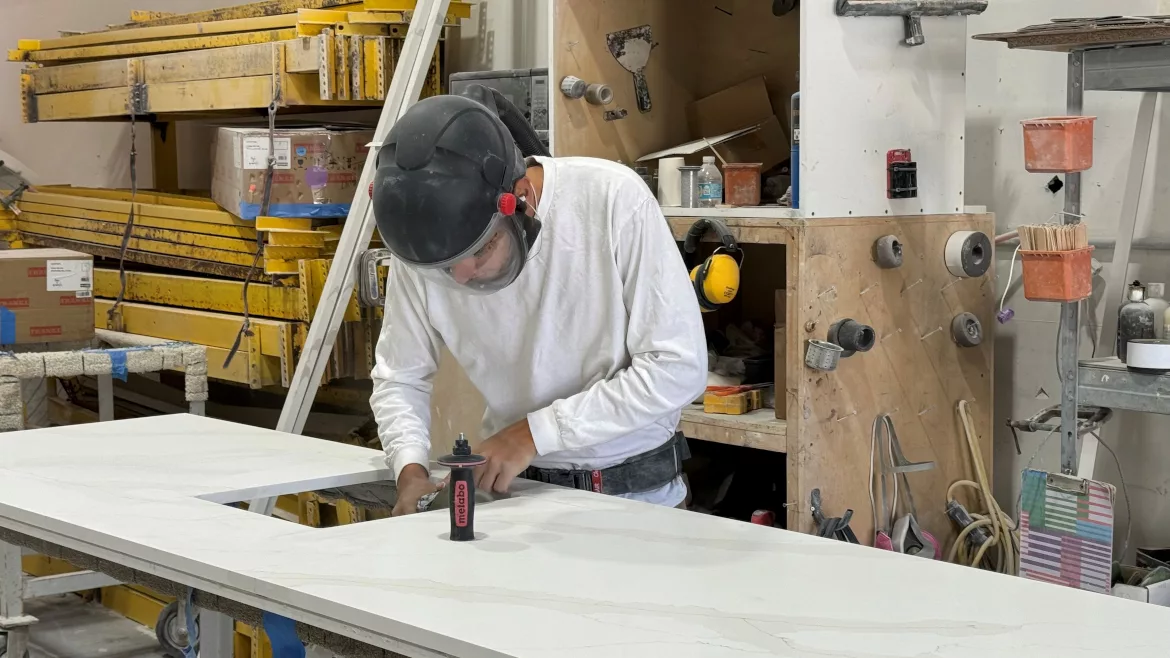
Britain's workplace safety regulator has ordered four companies to stop working with engineered stone after inspectors found they failed to protect employees from hazardous silica dust, the first enforcement actions under a nationwide campaign targeting the material blamed for a rise in fatal lung disease.
The Health and Safety Executive served the four prohibition notices by the end of May and disclosed them June 25. Each firm was found to lack the control measures needed to keep workers safe while processing engineered stone, the regulator said. A prohibition notice requires a business to stop the work immediately and fix the failures before resuming.
The notices are the first enforcement actions taken since the HSE launched a package of measures May 11 to curb worker exposure to respirable crystalline silica, the fine dust released when engineered stone is cut, ground or polished. Enforcement notices are published roughly five weeks after they are served to allow for appeals and internal review, meaning further notices are likely to surface in the coming weeks.
"We have stopped dangerous work with engineered stone in four workplaces due to serious failures in providing the correct controls," said Harvey Wild, head of operations at the HSE.
The regulator did not name the four firms in its announcement. It said the failures went beyond dust control to include gaps in health surveillance, respiratory protective equipment, local exhaust ventilation and machinery guarding. Details of served notices appear on the HSE public register of enforcement notices.
Engineered stone, widely used for kitchen and bathroom worktops, can contain up to 95% crystalline silica. Unlike natural stone, where silica-related disease typically develops over decades, recent cases suggest exposure to engineered stone dust can cause silicosis within months or years, and workers can suffer permanent lung damage before symptoms appear.
"Silicosis is incurable, but it is entirely preventable," said Wild. "No worker should lose their life to a lung disease caused by their job."
The inspections form part of a program of more than 1,000 fabricator visits the HSE plans to conduct across Great Britain through the 2026/27 period, with enforcement action against those failing to meet the required standards.
Guidance rules out dry cutting
The May 11 package centered on the HSE's first COSHH guidance sheet written specifically for engineered stone. The guidance makes clear that dry cutting is unacceptable and confirms that on-tool water suppression, already standard among industry leaders, is how businesses meet their legal duty. It effectively rules out dry cutting, grinding and polishing unless a fabricator can demonstrate an equally effective control.
The HSE stopped short of the outright ban adopted by Australia, noting the guidance is not new legislation or a formal prohibition. Instead the regulator opted for a controls-and-enforcement approach after a two-year review of the sector.
That research produced two findings the HSE has leaned on in pressing fabricators to change. Dry fabrication typically results in silica exposure five to 10 times higher than wet methods using equivalent tools, the regulator found. It also concluded that lower-silica engineered stone is available at the same quality, which the HSE says removes any business reason not to switch. The regulator said it is working with manufacturers, suppliers and importers to encourage supply of lower-silica products.
The HSE guidance sets out four core duties for employers: switch to lower-silica material, use on-tool water suppression and mist control, provide suitable respiratory protection and carry out regular health surveillance.
Rising toll drove action
The crackdown follows mounting concern over young workers diagnosed with accelerated silicosis. A parliamentary report published in January by the All-Party Parliamentary Group on Occupational Safety and Health called the situation a silent, ongoing tragedy and urged immediate action. Confirmed U.K. cases climbed from 8 to 45 in little more than a year, occupational lung specialist Dr. Johanna Feary told the group, with stonemasons as young as 23 requiring lung transplants.
At least four people have died in the U.K. from artificial stone silicosis and more than 50 have been diagnosed since 2023, according to clinicians tracking the cases. The Metropolitan Police is leading an investigation into the death of 48-year-old stonemason Marek Marzec, and additional inquests remain ongoing, including that of 28-year-old Wessam al-Jundi.
Social Security and Disability Minister Sir Stephen Timms said the enforcement action sends a clear message that putting workers at risk of silicosis is unacceptable and will carry consequences. He urged all businesses working with engineered stone to follow the HSE guidance without delay.
The developments put the United Kingdom among the most active regulatory fronts on engineered stone outside Australia, which in 2024 became the first country to ban the material outright. In the United States, California has tightened exposure controls and the issue remains under review by regulators in several states.
Stone World will continue to follow enforcement activity under the HSE campaign as further notices are published.
Looking for a reprint of this article?
From high-res PDFs to custom plaques, order your copy today!