Cal/OSHA Standards Board to Vote May 21 on Engineered Stone Ban Petition
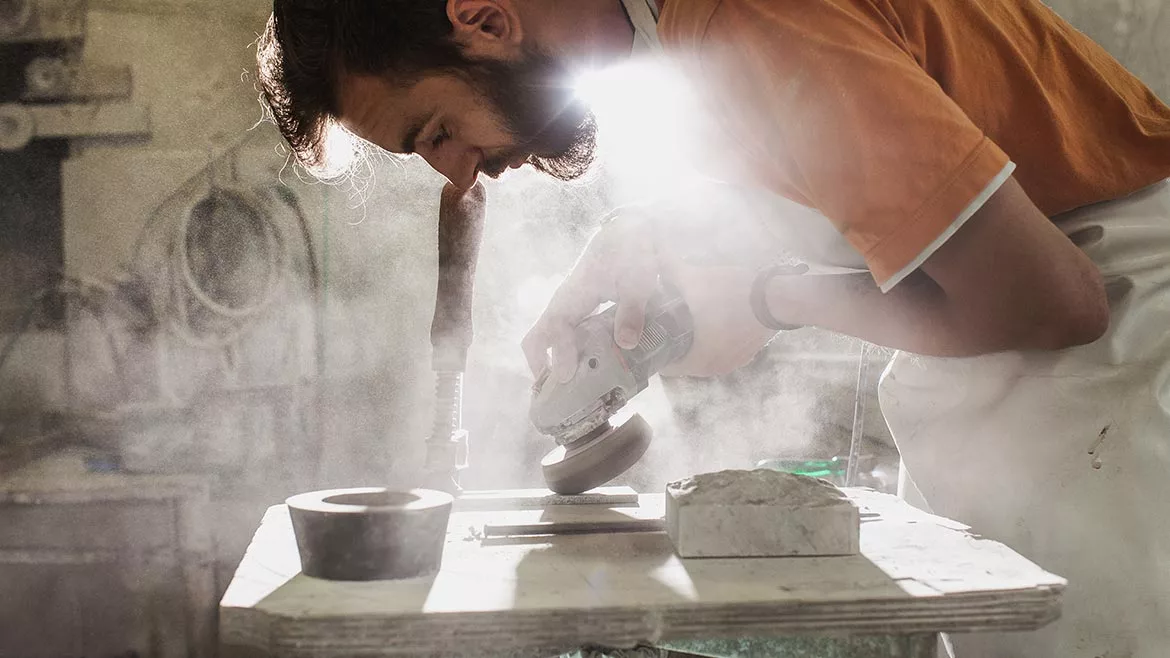
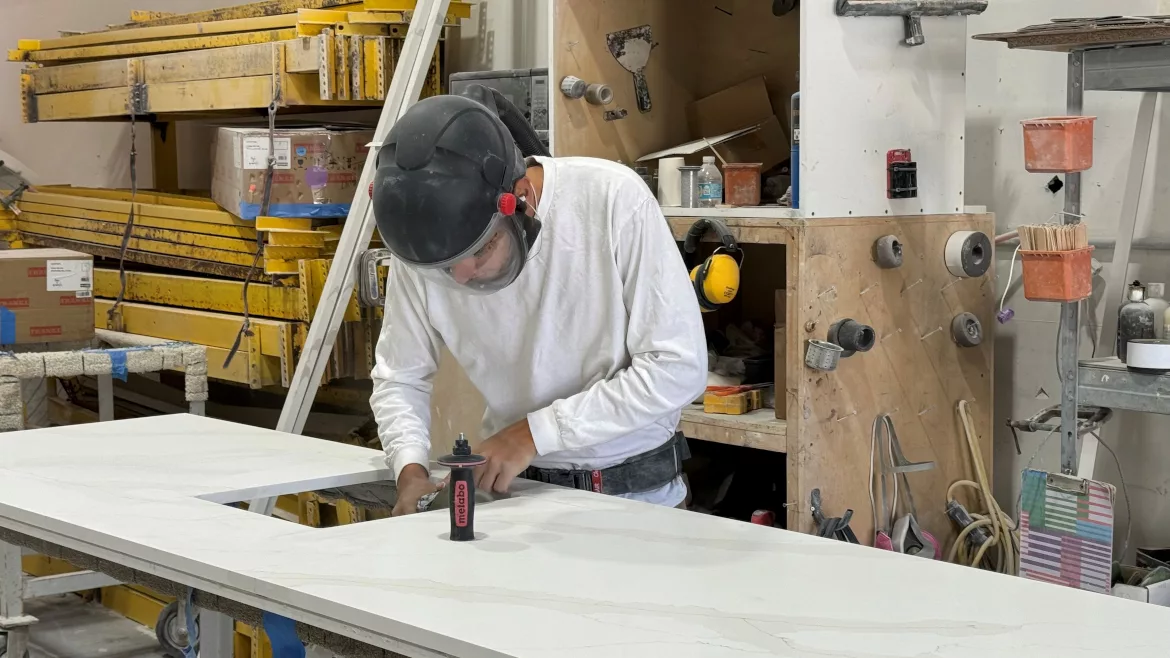
California's Occupational Safety and Health Standards Board is scheduled to vote May 21 on a petition that would ban the fabrication and installation of engineered stone slabs containing more than 1 percent crystalline silica, a decision that would mark the first such prohibition in the United States.
The board will meet at 10 a.m. at the Ronald Reagan State Building, 300 S. Spring Street, Los Angeles, according to the 2026 meeting schedule published by the California Department of Industrial Relations.
The petition was filed in December 2025 by the Western Occupational and Environmental Medical Association (WOEMA), which has argued that engineered stone cannot be safely fabricated even when workplace safety controls are in place. WOEMA's position has been backed by occupational health physicians who say the severity of disease observed in California suggests resins, pigments and other binders in engineered stone may contribute to its toxicity alongside the high crystalline silica content.
California has tracked more than 550 confirmed cases of silicosis among countertop fabrication workers, according to the state's public dashboard. More than 30 of those workers have died and more than 50 have undergone lung transplants. Most cases have involved Hispanic men employed by small fabrication shops, with median age at diagnosis in the mid-40s.
Rebecca Shult, an attorney representing Cambria Co. LLC, told the standards board in March that the company objected to the framing used by California's tracking system.
"We take issue with the very nomenclature of 'engineered stone silicosis,'" said Shult.
Cambria and other engineered stone manufacturers have argued that any high-silica material poses a fabrication hazard, including natural quartzite, and that the root cause of worker illness is inadequate workplace safety practices rather than the product itself.
"Workplace safety is a huge thing," said Khaled Taqi-Eddin, an attorney representing Cambria. Poor practices result in worker illness regardless of whether a fabricator is cutting natural or manufactured stone, Taqi-Eddin said.
The International Surface Fabricators Association (ISFA) has opposed the ban petition and is instead promoting a co-regulation model in which the industry would define enforceable standards while government agencies retain enforcement authority. ISFA has also pointed to Cal/OSHA inspection data showing that 93 of 99 completed fabrication shop inspections revealed air quality violations, with 24 serious enough to warrant shop or operation shutdowns.
"ISFA does not support a blanket ban on engineered stone," said Laurie Weber, ISFA chief executive officer. Weber said the WOEMA petition does not fully reflect the operational, economic and regulatory realities of the industry.
The May 21 vote follows months of testimony, public comment and industry presentations to the standards board. ISFA appeared before the board in January as part of the initial petition review, and a hearing was held in March where Cambria and other stakeholders presented objections.
Litigation in other states has begun to put additional pressure on engineered stone manufacturers. On April 30, a Denver jury returned a $17.45 million verdict in favor of Tyler Jordan, a 31-year-old former fabricator from Colorado who was diagnosed with silicosis and silica-related kidney disease after about 10 years of cutting engineered stone at his family's shop. The case was the first artificial stone silicosis case to go to verdict outside California and only the third such case to reach verdict in the country.
The jury found Cambria liable for misrepresentation and assigned the company 32 percent of fault. Hyundai USA LLC, the distributor in the case, was found liable for negligence and misrepresentation. The jury allocated 63 percent of fault to Jordan's employer and 2 percent to Jordan himself.
Reporting by NPR published May 18 highlighted Wade Hanicker, a 39-year-old former Florida fabricator who said he was diagnosed with silicosis and a silica-related autoimmune disease after roughly 15 years of cutting countertops. Hanicker has been told he will eventually require a lung transplant and has filed suit against engineered stone manufacturers and distributors.
Florida and most other states have not reported large numbers of silicosis cases among countertop fabrication workers. David Michaels, an epidemiologist with George Washington University and a former head of the federal Occupational Safety and Health Administration, has said the difference reflects the level of active case-finding underway in California rather than the absence of disease elsewhere.
Australia banned engineered stone fabrication and installation in July 2024 after its national health authorities concluded the material posed an unacceptable risk to workers, an action WOEMA and other ban supporters have repeatedly cited as precedent.
The standards board's schedule lists the May 21 meeting as a business meeting with no other public hearing items on the agenda. Should the board vote to advance the WOEMA petition, the proposal would move into a formal rulemaking process subject to additional public notice and hearing requirements under the Bagley-Keene Open Meeting Act.
A decision against the petition would not foreclose further regulatory action by Cal/OSHA, which has continued to enforce existing permissible exposure limits for respirable crystalline silica and has cited the majority of fabrication shops it has inspected for related violations.
Occupational Safety and Health Standards Board 2026 Meeting Schedule
The Occupational Safety and Health Standards Board holds monthly public meetings to consider proposed revisions of the California Code of Regulations, hold public hearings and conduct business. All meetings begin at 10 a.m. unless otherwise noted. Agendas are made available 10 days prior to each meeting date in accordance with the Bagley-Keene Open Meeting Act.
January 15, 2026 — Office of Tax Appeals, 400 R Street, Sacramento
February 19, 2026 — Hotel Katerina, 1930 Baney Lane, Chico
March 19, 2026 — City of Palm Springs, 3200 E. Tahquitz Canyon Way, Palm Springs
April 16, 2026 (10:10 a.m.) — Justice Joseph A. Rattigan Building, 50 D Street, 2nd Floor, Suite 220, Santa Rosa
May 21, 2026 — Ronald Reagan State Building, 300 S. Spring Street, Suite 1726, Los Angeles
June 18, 2026 — Location to be determined
July 16, 2026 — City of San Clemente City Hall, 910 Calle Negocio, 2nd Floor, San Clemente
August 20, 2026 — Location to be determined
September 17, 2026 — Location to be determined
October 15, 2026 — Location to be determined
November 19, 2026 — Location to be determined
December 17, 2026 — Location to be determined
Inquiries concerning proposed actions may be directed to the standards board's executive officer, Millicent Barajas, at (916) 274-5721. Source: California Department of Industrial Relations.
Looking for a reprint of this article?
From high-res PDFs to custom plaques, order your copy today!