Silicosis Litigation Tops $200 Million as California Crisis Deepens
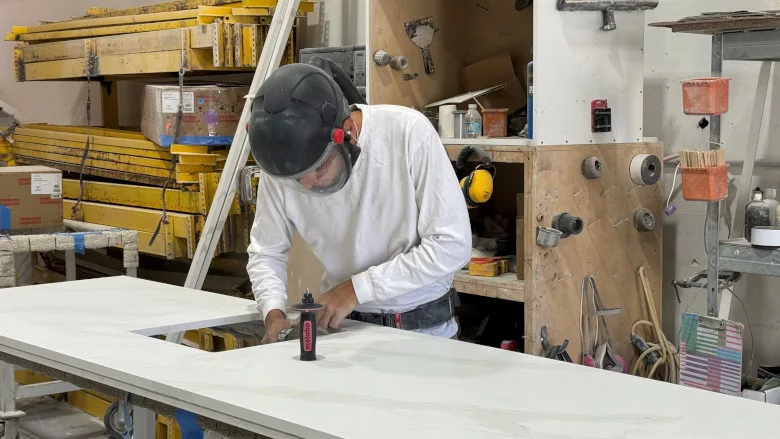
Photo Courtesy of ISFA
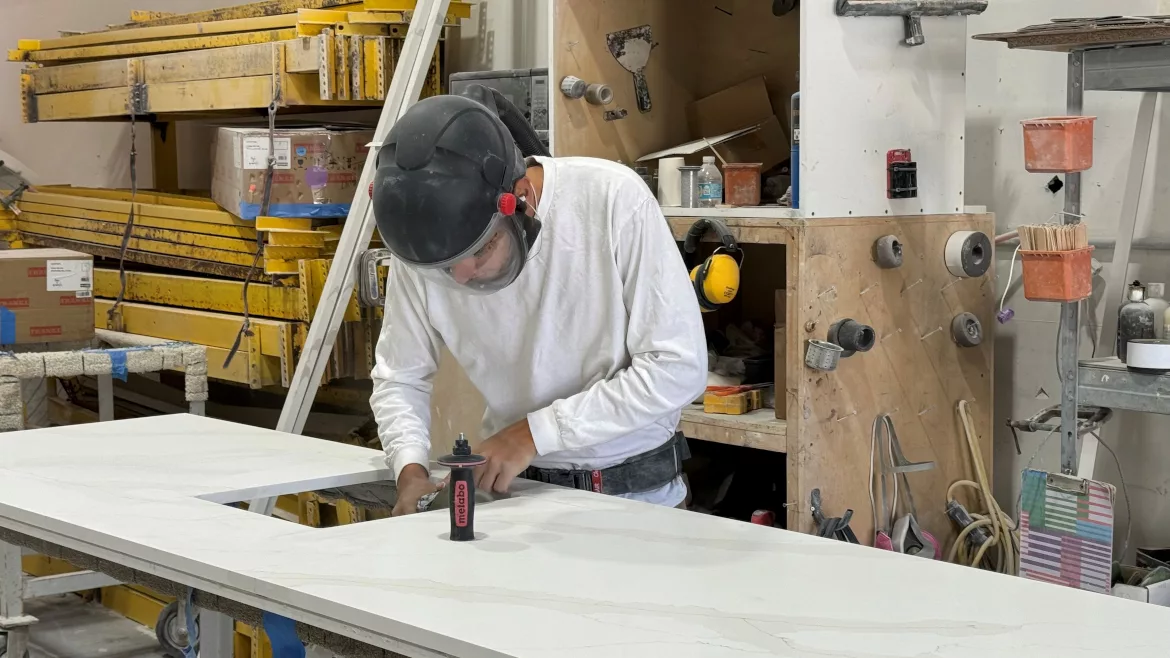
Law firm Brayton Purcell LLP announced Feb. 18 that it has secured nearly $200 million in verdicts and settlements for countertop fabrication workers diagnosed with accelerated silicosis linked to crystalline silica artificial stone.
The total includes a $52.4 million verdict returned by a Los Angeles County jury in August 2024 against manufacturers Caesarstone USA, Cambria and Color Marble. The case involved Gustavo Reyes Gonzalez, a 34-year-old fabricator who required a double lung transplant after 15 years of cutting and polishing artificial stone slabs. The firm also secured more than $26 million in confidential settlements for another worker and says it currently represents more than 700 clients.
Artificial stone products typically contain more than 90% crystalline silica. The accelerated form of silicosis linked to fabricating these products often develops after only months or a few years of exposure, progressing far more rapidly than the chronic silicosis historically associated with mining and sandblasting.
According to data cited in the announcement, more than half of the 1,342 fabrication shops identified by the California Department of Public Health have at least one confirmed silicosis case. Hundreds of workers have been diagnosed, many in their 30s and 40s.
In December 2025, the Western Occupational and Environmental Medicine Association, representing more than 600 occupational medicine physicians, petitioned the Cal/OSHA Standards Board for an immediate prohibition on artificial stone containing more than 1% crystalline silica. WOEMA's petition cited data showing that silicosis cases continue to emerge even in shops using wet cutting, ventilation and personal protective equipment in compliance with Cal/OSHA standards.
On Jan. 14, the House Judiciary Subcommittee held a hearing on H.R. 5437, the Protection of Lawful Commerce in Stone Slab Products Act, which would shield manufacturers and distributors of stone slabs from civil claims related to worker injuries or illnesses. Medical experts and labor advocates testified that the bill would remove incentives for manufacturers to develop safer products, while industry supporters argued the legislation would protect the supply chain from excessive litigation.
Australia banned engineered stone nationwide effective July 1, 2024, becoming the first country to do so. That decision has been cited by both regulators and litigants in the U.S. as a potential model for domestic policy.
Looking for a reprint of this article?
From high-res PDFs to custom plaques, order your copy today!