House Panel Debates Bill Shielding Stone Industry from Silicosis Lawsuits
A House Judiciary subcommittee held a hearing Wednesday to examine the impact of civil litigation on the U.S. artificial stone industry, with Republican lawmakers and industry executives arguing that manufacturers are being unfairly targeted by lawsuits related to silicosis.
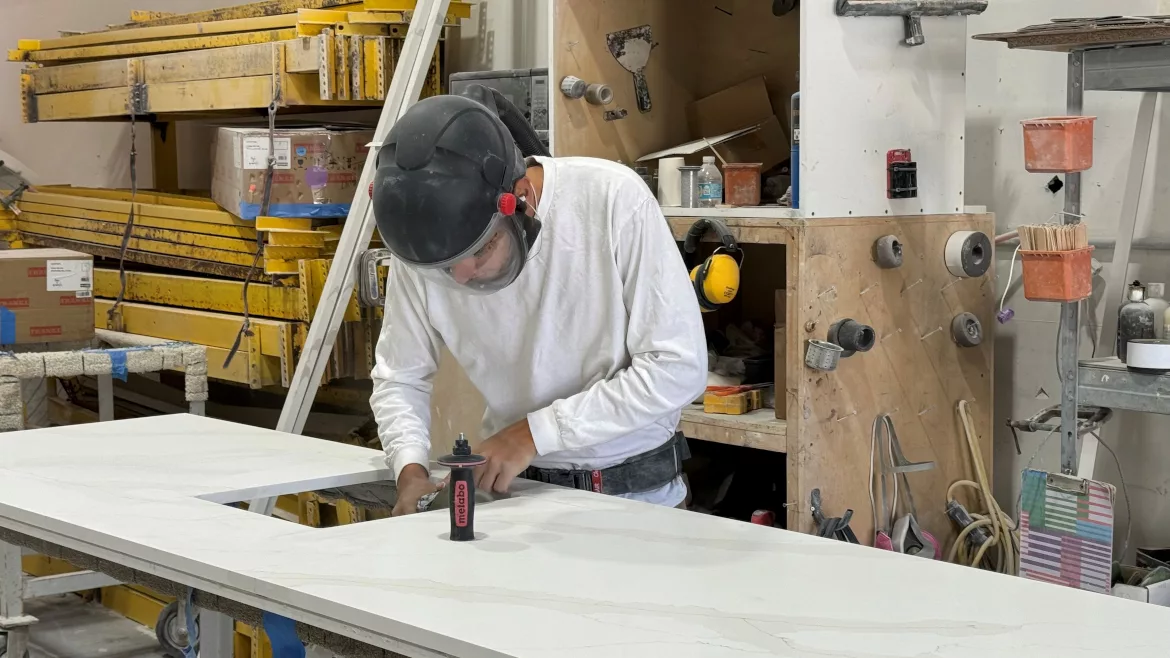
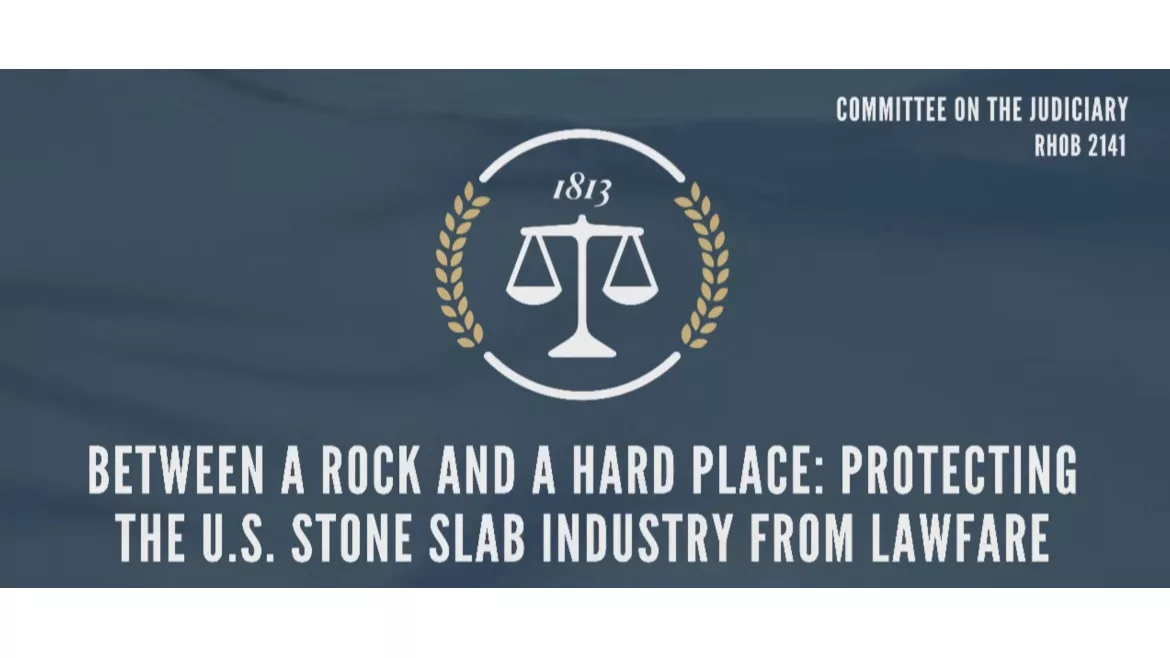
The hearing, titled “Between a Rock and a Hard Place: Protecting the U.S. Stone Slab Industry from Lawfare,” focused on H.R. 5437, the “Protection of Lawful Commerce in Stone Slab Products Act.” The legislation seeks to shield stone slab manufacturers and distributors from liability in lawsuits brought by workers who have contracted silicosis, a severe lung disease caused by inhaling silica dust during the cutting and grinding of the slabs.
Supporters of the bill argued that liability should rest with the fabrication shops that fail to maintain federal safety standards, rather than with the suppliers of the material.
Jim Hieb, CEO of the Natural Stone Institute, testified that the wave of litigation threatens the viability of the industry and misdirects accountability.
"It is wrong to shift responsibility from noncompliant employers to those who follow the law and provide meaningful employment in safe workplaces," Hieb told the subcommittee.
Gary Talwar, vice president of Natural Stone Resources, also testified in support of the legislation. Talwar, whose company is a major distributor of natural stone, described the operational and financial burden that the influx of litigation has placed on distributors who do not directly oversee the fabrication process where the hazardous dust is generated.
Democrats and labor safety advocates strongly opposed the measure. Rep. Jamie Raskin, D-Md., the ranking member of the full Judiciary Committee, argued that the bill would strip workers of legal recourse and shield corporations from accountability for selling a product with known hazards.
Dr. David Michaels, a former assistant secretary of labor for the Occupational Safety and Health Administration (OSHA), testified for the minority. Michaels stated that artificial stone products contain significantly higher concentrations of silica than natural stone, posing unique risks that require stricter oversight rather than liability protection.
The hearing highlighted the sharp partisan divide over tort reform and worker safety, with the majority emphasizing the economic necessity of protecting the stone industry and the minority focusing on the health crisis affecting fabrication workers.
Looking for a reprint of this article?
From high-res PDFs to custom plaques, order your copy today!

Jason Kamery is the Managing Editor and Group Digital Editor of Stone World. With more than a decade of experience covering the stone and countertop industry, he has conducted hundreds of interviews with fabricators, manufacturers, and industry leaders, and hosts the Stone World. podcast. He reports from events worldwide, including TISE, Coverings, and Marmomac, and his coverage extends to worker safety and silicosis, trade policy and tariffs, and fabrication technology. Kamery has also served as a speaker and panel moderator at The International Surface Event (TISE). He graduated from Purdue University with a B.A. in Mass Communication.
email: kameryj@bnpmedia.com | office: (248) 833-7356