U.S. Tariffs on Indian Stone Disrupt Trade, Raise Costs for Fabricators and Consumers
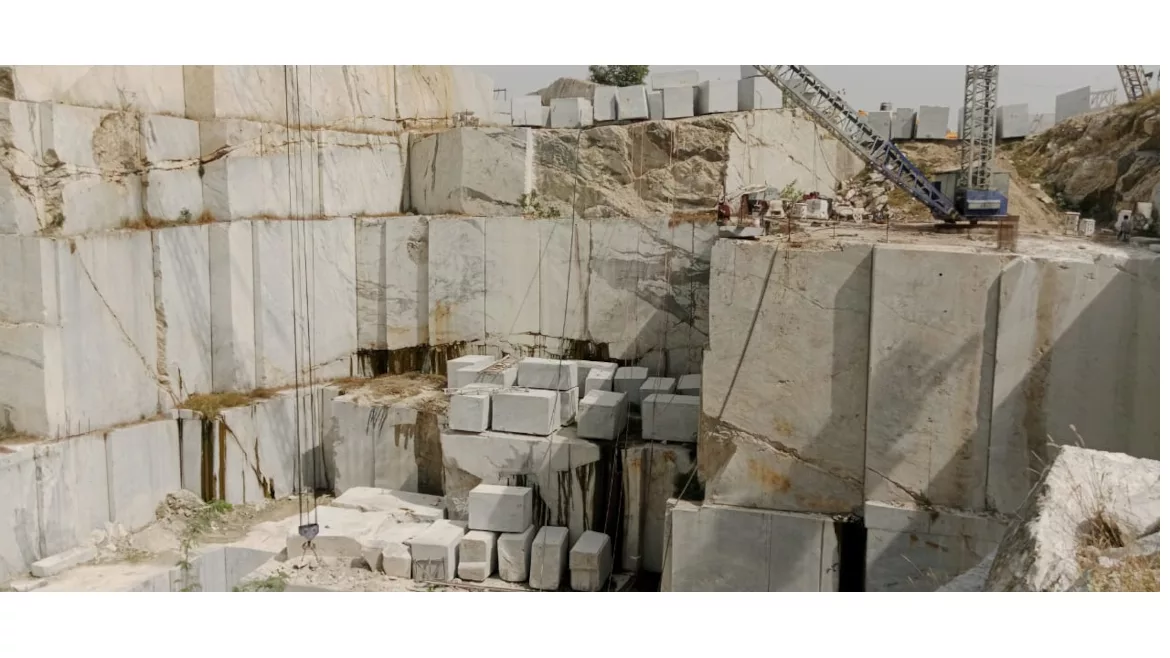
A 50% U.S. tariff on Indian granite and marble has severely disrupted the natural stone trade between the two countries, forcing distributors to raise prices and limiting product availability for American fabricators and consumers.
India has supplied the U.S. with natural stone for decades, exporting popular granite varieties including Blue Dunes, Colonial White, Colonial Gold, Viscon White and Monalisa. The country shipped approximately 764,000 metric tons of granite blocks and slabs in 2024, with the U.S. receiving roughly 12,772 shipments between November 2023 and October 2024.
The tariffs, imposed under the same framework that initially targeted Brazilian stone, have created immediate market consequences. While Brazilian quartzite received an exemption, no Indian stone categories have been excluded from the duties.
Indian exports to the U.S. showed strong double-digit growth from January through June 2025, but shipments slowed dramatically following the tariff announcement. Buyers have delayed or canceled orders as pricing uncertainty spreads through the supply chain.
Impact on U.S. Distributors
American distributors face sharply higher landed costs on Indian slabs, compressing already thin profit margins. India serves as a backbone supplier of both staple colors and unique exotic materials not quarried domestically, making the tariffs particularly disruptive to product selection.
Many distributors operate on just-in-time inventory models, creating cascading delays as Indian materials become cost-prohibitive. Projects stall while distributors scramble to source replacement materials from other countries, driving up logistics expenses.
The National Association of Home Builders reports that tariffs have already added thousands of dollars to average home prices. Indian stone, which represents a significant portion of U.S. slab imports, contributes to rising homebuilding and remodeling costs.
Industry Response
The Indian stone industry is pursuing multiple strategies to address the tariffs. Trade groups are coordinating with the Natural Stone Institute and other U.S. associations to demonstrate how the duties harm American fabricators and consumers alongside foreign exporters.
Industry representatives are lobbying both Indian government officials and U.S. trade representatives for exemptions similar to those granted to Brazilian quartzite. Exporters are simultaneously exploring markets in Europe, the Middle East and Asia-Pacific to reduce dependence on U.S. demand.
Indian suppliers are working directly with American distributors and fabricators on updated pricing and cost-sharing arrangements while awaiting policy changes.
U.S. fabricators can support relief efforts by engaging with industry associations including the Natural Stone Institute, National Kitchen and Bath Association and National Association of Home Builders. Industry groups encourage fabricators to document how tariffs increase costs, reduce consumer choice and affect small businesses.
India accounted for approximately 22 million tons of stone structure exports in 2024, representing roughly 82% of global exports in that category. The country exported $772 million worth of granite in 2023 and an additional $262 million in quartz slabs, cementing its position as a leading global stone supplier.
Looking for a reprint of this article?
From high-res PDFs to custom plaques, order your copy today!