Impending Tariff on Brazilian Stone Could See Catastrophic Results
Leaders of top industry organizations unite to strategize ways to brace for the 50% tariff on Brazilian imports to the U.S. starting on August 1st

Photo by Jason Kamery
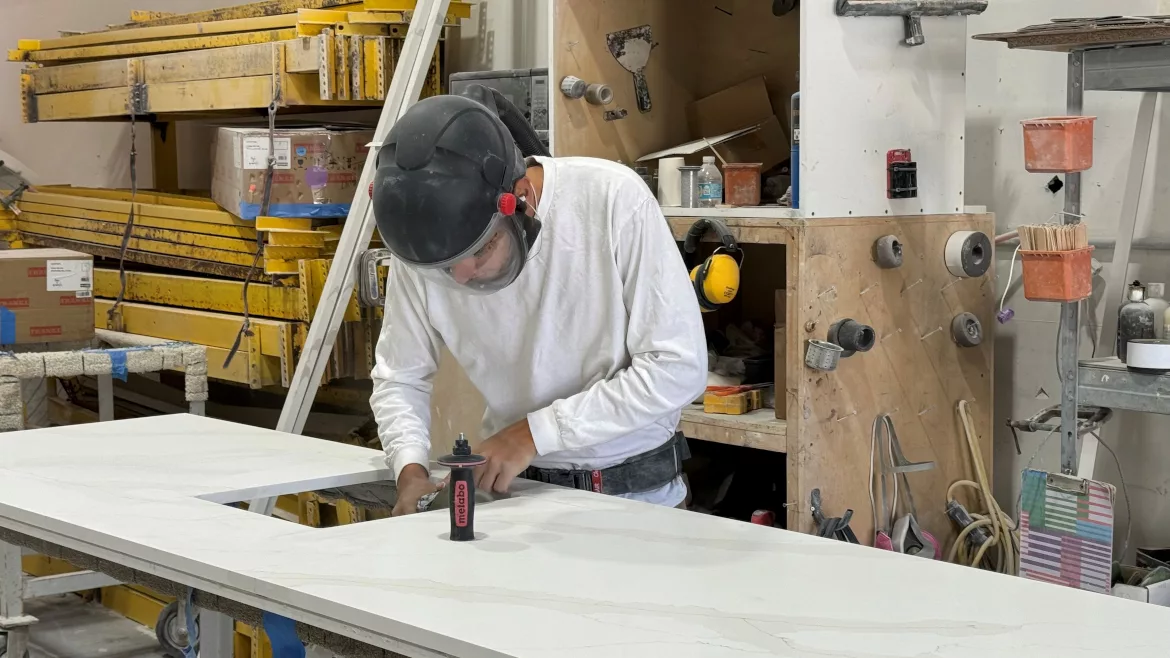
On August 1, 2025, a 50% tariff on Brazilian imports to the U.S. will be enforced by the federal government. Those in the natural stone industry have grave concern over the possible catastrophic effect this will have on the countertop sector in residential construction. Industry organizations from the U.S. and Brazil are uniting to attempt to combat the looming tariff. Several organizations have written letters to government officials, respectively asking for a 90-day delay to provide more time for the U.S. and Brazilian government to work together towards more dialogue and resolution. Moreover, the extra time would give the natural stone industry in both countries the opportunity to assist government officials in better understanding the economic hardship the tariff will cause.
“As executive director of the Stone Fabricator’s Alliance (SFA), representing over 20,000 members, I express profound concern regarding the potential 50% tariff on [specific material],” said Eric Rolseth. “This tariff would be an insurmountable financial burden for our small businesses, given existing contracts and the lack of domestic alternatives. It jeopardizes thousands of American jobs, disrupting a vital sector of the construction and remodeling industry. We respectfully urge the Administration to grant a delay in its implementation to thoroughly understand this severe impact. We seek to collaborate on solutions that protect American businesses and jobs from unintended economic fallout.”
In its letter to Ambassador Greer, the Natural Stone Institute (NSI) pointed out several notable statistics and facts:
- 85% of all natural stone consumed in the U.S. is imported (Source U.S. Geological Survey and U.S. Trade Commission).
- The most popular natural stone countertop materials are geologically present only in Brazil.
- The U.S. domestic natural stone industry is strong in commercial and hardscape construction, however, their color and color patterns do not make them suitable for us in residential countertop construction. In short, domestic stone production cannot replace Brazilian stones for countertop.
- The 50% tariff will disrupt the industry to which fixed contracts cannot be adjusted to account for the increased costs due to tariffs. This will impact U.S.-based jobs in several natural stone sectors, including:
- Over 20,000 natural stone fabrication/installation companies
- Over 500 stone distributors who import Brazilian stone
- Total U.S.-based jobs impacted exceeds 200,000
“Serving as Board president of NSI during this time is both exciting and critical,” said Evan Cohen, owner of Quality Marble & Granite in Ontario, CA. “We are witnessing firsthand how international and domestic partnerships are shaping the future of the stone industry. The NSI is increasingly being recognized by sister associations around the world as a central player in ensuring the long-term viability of natural stone across markets. Most recently, we’ve seen Centrorochas, the Brazilian stone association, reach out to collaborate with NSI to address the potential impact of proposed tariffs on Brazilian stone. Brazilian materials have long been highly sought after in the residential sector and are growing in commercial use, so preserving their accessibility is in the best interest of fabricators, distributors, designers and end consumers alike. It is my hope and vision that all the stone associations around the world will see the NSI as a valued partner in enhancing the use and awareness of natural stone products. This moment highlights what makes our industry unique: when challenges arise, members and non-members alike, across borders and market segments, come together to advocate for the health of the entire stone community. We’re proud to be part of those efforts and even prouder of how unified our industry can be when it matters most.”
As a distributor, Cohen has deep concern. "If these new tariffs on Brazilian stone go into effect, they will absolutely hurt our natural stone business,” he said. “While we source stone from multiple countries, approximately 80% of our natural stone sales are Brazilian materials, so the impact would be immediate and significant, especially in the residential countertop market where pricing is already highly competitive. This tariff would further widen the gap between natural stone and man-made surfaces, pushing more customers toward alternative products purely for cost reasons. Projects already specified with Brazilian materials may need to be re-evaluated or replaced with different products, which could lead to delays, cancellations or lost business.
We’re encouraged to see Centrorochas and NSI coming together in partnership to advocate for a 90-day delay. It’s a great example of how international cooperation between sister associations can help protect and strengthen our industry, while supporting our businesses’ stability. We are not among the largest of importers, many larger companies will feel this even more extreme than we will. It’s my hope that this collaboration sets a precedent for similar efforts with other countries facing abrupt tariff changes. We need consistent advocacy and communication to help manage these cost swings and keep natural stone viable and competitive in the marketplace."
Jon Lancto, founding member and president of the Artisan Group, shares similar sentiments. “Should the 50% tariffs stay intact, there will be a price increase of at least 15%, driven by the influx of more expensive materials from Brazil,” he said. “These materials will be subsequently passed on to Artisan member company customers, as the cost of materials constitutes approximately 30% of the price of an installed countertop. Brazil, as a significant supplier of stone to the U.S. market, possesses unique geological formations that render it the sole source for numerous stones utilized in the U.S. market. A tariff of such magnitude could induce a shift in sourcing to alternative countries trading with the U.S. at lower tariff rates that can offer diverse, stones suitable for mass-market countertops or compel consumers to explore alternative materials such as quartz, porcelain and sintered materials produced domestically.”
Lancto, who is also CEO of the Stone Equipment and Supply Alliance (SESA), went on to say, “Brazil has historically presented a challenging market environment for U.S. and European-made machinery companies operating in the stone tool industry. While stone machinery companies prioritize profitability of their customers in the U.S., they simultaneously hope for positive changes from the Brazilian government to foster greater business openness.”
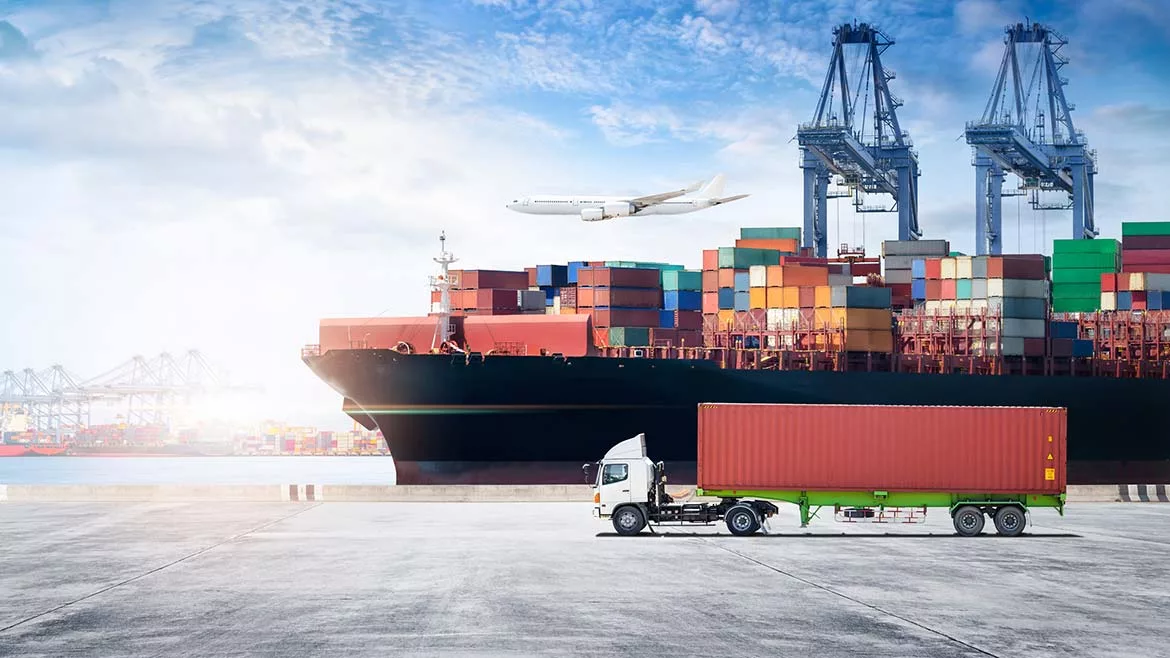
In a statement released by the Brazilian Center for Natural Stone, Centrorochas, it was announced, “Since the announcement of the measure on July 9, 2025, it is estimated that about 60% of Brazilian natural stone shipments to the U.S. market have been suspended. By the end of the month, approximately 1,200 containers may remain unshipped, representing a potential loss of up to USD 40 million in Brazilian exports for July alone. As 95% of all natural stone containers shipped to the U.S. depart from the state of Espírito Santo, the local impact is especially significant: an estimated 1,140 containers may not be shipped in July, equating to an expected loss of approximately USD 38 million in exports from the state.”
"Rockheads Group members are closely monitoring developments surrounding potential tariffs on Brazilian imports,” said Rich Katzmann, executive director of the Rockheads Group. “In the absence of clear, definitive guidance, members have been actively consulting one another, engaging with supplier partners and seeking insight from the broader group. However, the prevailing uncertainty has largely forced businesses into a reactive, 'wait-and-see' posture -- a less-than-ideal scenario for strategic planning and operational stability. The industry is eager for clarity to help mitigate risk and guide informed decision-making."
On Friday, August 1, 2025, a meeting at the Brazilian Embassy in Washington, D.C. is being assembled at 11a.m. Fabio Cruz, vice president of Centrorochas, along with some key Brazilian senators, will be in attendance.
“In many respects, this is a symbolic meeting to occur on the start date for tariffs,” said Jim Hieb, NSI CEO. “The key message hasn’t changed -- dialogue between the two governments is critical.”
Looking for a reprint of this article?
From high-res PDFs to custom plaques, order your copy today!