Stone World logo
search
cart
facebook twitter linkedin youtube
  • Sign In
  • Create Account
  • Sign Out
  • My Account
Stone World logo
  • NEWS
  • PRODUCTS
    • Machinery
    • Digital Technology
    • Tooling & Accessories
  • MATERIALS
    • Alternative Surfaces
    • Stone
    • Tile
    • Imports & Exports Data
  • FABRICATORS
    • Fabricator How-to
    • Fabricator Case Studies
    • Fabricator of the Year
  • A&D
    • Installation & Technical Tips
    • Outdoor Design
    • Interior Design
    • Hospitality | Commercial Design
    • Mosaics & Decorative Tile
    • Kitchen & Bath
    • Residential
    • Renovation | Restoration
  • MEDIA
    • Videos
    • Podcasts
    • EBOOK
  • EVENTS
    • STONE INDUSTRY EDUCATION
    • Industry Calendar
  • MORE
    • NEWSLETTERS
    • WOMEN SPOTLIGHT
    • MARKET RESEARCH
    • STONE WORLD STORE
  • DIRECTORY
    • TRADE ASSOCIATIONS
    • Stone Suppliers
    • GET LISTED
  • EMAG
    • eMagazines
    • Archives
    • Contact
    • Advertise
  • SIGN UP!
Fabricator Case StudiesFabricator How-toProcessing Plants

OSHA Inspections and Safety with Jeff Courtright

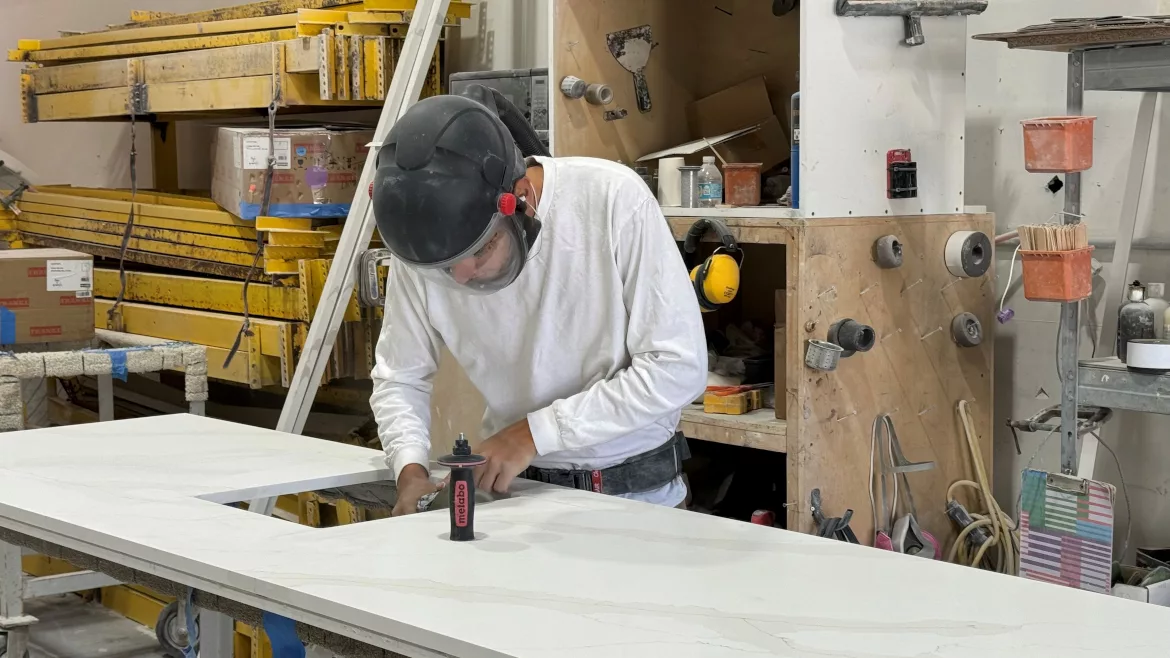
Jeff Courtright, safety coordinator for Planet Granite, discusses safety for employees as well as the biggest issues OSHA finds during an inspection.

By Jason Kamery
SW 0122 Inside The Shop 02 Ergin Yalcin
January 1, 2022

Jeff Corky Courtright, safety coordinator for Planet Granite based in Colorado Springs, CO, took the time to talk about OSHA inspections and safety with Stone World magazine. Courtright has in the stone industry for six years and construction for 40 years, involved in safety for the majority of that time.

SW: Talk to us about the top 10 citations that OSHA gives fabricators
SW 0122 Inside The Shop 01


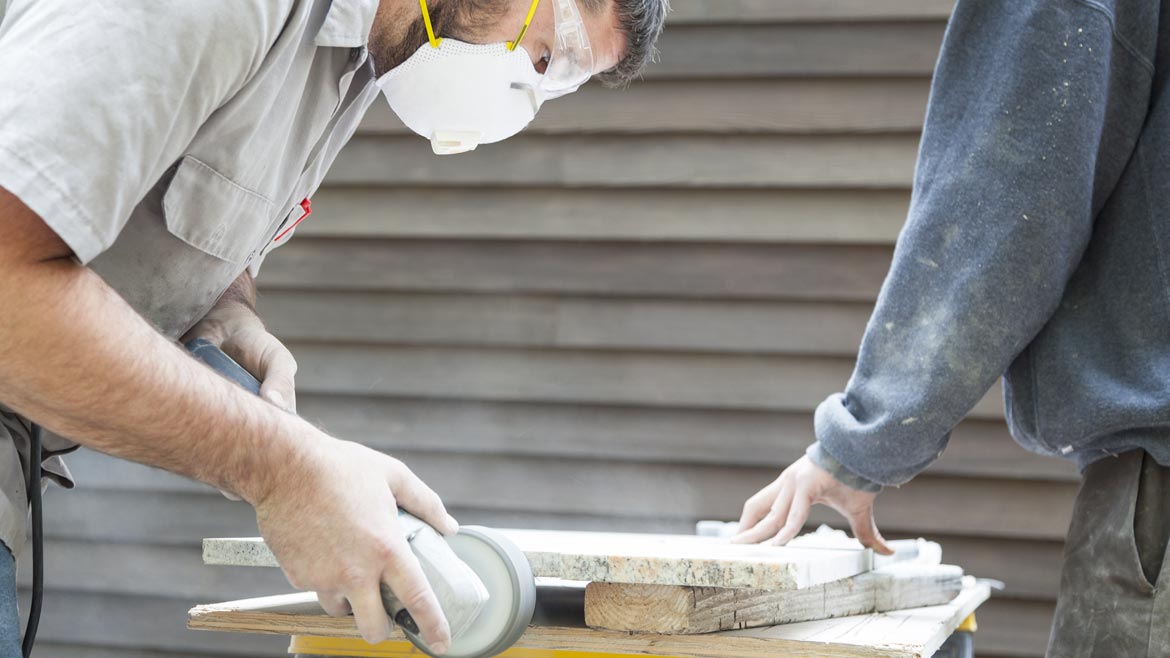
JC: One of the top ones was there was No Hazard Assessment Performed. You have to write this down, keep it in a book. You look at it and see that I have this hazard of flying stone chips. What are we going to do? Well, we will have guys wear safety glasses, that’s how we will take care of that. I think everyone knows PPE is the last line of defense. Before that, come up with some administrative policies. What we do here is not have any dry grinding going on, since we know that produces silica. So that’s in place and that has gotten rid of our hazard of silica. You could also have exhaust fans or vacuums to collect dust. Then the last line is PPE.

The hazard assessment is really easy to do. You can go to the OSHA website, I know a lot of people are scared to go there, but there is so much information. You can pull up a sample hazard analysis sheet. You can get a blank one and fill it out yourself. A lot of companies will use a safety consultation company that will supply you with all of that. A lot of people think they can be pricey but if you look at the fines now, OSHA is pushing a $14,000 citation.

SW: It’s also important to point out here, this isn’t just a conversation you have with each employee, this is something that needs to be listed and written down somewhere.

SW 0122 Inside The Shop 03 Bill Oxford

JC: OSHA is a government identity so they love paperwork. We have had several OSHA visits here at our place and they say what do you have for this? We set out binders. We have it on our computers, which isn’t that impressive. When we have it out on our table with hazard assessment programs and binders full of safety meetings. If it’s not in writing, it didn’t happen.

Hazard communication is another big one and most are familiar with this. The HAZCOM program. Again, it has to be written down. You can get it online. Most people don’t have their SDS, or safety data sheets. Most of you old timers know it as MSDS. The new format is an easier one for people to read. A good thing to do is to call your suppliers, just tell them if you’re going to bring something on-site I want the SDS sheet on it. They should all know better by now, this has been going on for six years.

Another big one is to know about the secondary containers. A lot of times you will see bottles of acetone or denatured alcohol or oil for their polishers, those containers need to have labeling on it of what’s in there. WD-40 we use it at work and at home and there are some hazards there and they need to be labeled. We went to WD’s website, took a picture of one of their safety labels, had to size it down, cut it out, make a sticker to go on our containers and put some packaging tape over it and they are still there. OSHA loved it. Very simple to do.

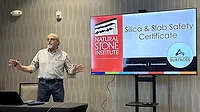
Last one, is the workers were not trained on the SDS, or GHS. OSHA will come up to your workers and ask, ‘Hey, do you know about GHS?’ Global harmonization system. This is when we went from MSDS sheets to SDS sheets. One of the little tricks that OSHA does it they will come up to the guys and ask, ‘Where are your MSDS sheets?’ I have trained our guys to say, ‘Sorry, we don’t have any MSDS sheets, all we have are SDS sheets. That’s the signal that you have had your global harmonization system training. That is the main point of it, that you know how to read the SDS sheets and the 16 sections of it. What each section means, what is important to you and what is important to a chemical engineer. That’s one of the little things OSHA likes to play around with. So make sure you know what an SDS is and a global harmonization system. If any of the listeners are looking for a safety meeting to do, go ahead, pull up one of these SDS sheets, and talk about it during the safety meetings.


KEYWORDS: employee safety inspection OSHA standards safety initiatives

Share This Story

Looking for a reprint of this article?
From high-res PDFs to custom plaques, order your copy today!

Jason kamery 200px

Jason Kamery is the Managing Editor and Group Digital Editor of Stone World. With more than a decade of experience covering the stone and countertop industry, he has conducted hundreds of interviews with fabricators, manufacturers, and industry leaders, and hosts the Stone World. podcast. He reports from events worldwide, including TISE, Coverings, and Marmomac, and his coverage extends to worker safety and silicosis, trade policy and tariffs, and fabrication technology. Kamery has also served as a speaker and panel moderator at The International Surface Event (TISE). He graduated from Purdue University with a B.A. in Mass Communication.

email: kameryj@bnpmedia.com | office: (248) 833-7356

LinkedIn Follow Icon

Recommended Content

JOIN TODAY
to unlock your recommendations.

Already have an account? Sign In

  • customer doing research online

    3 Reasons Why Quick Response Time Results in a Successful Fabrication Shop

    Your fabrication shop can have the best website. The best...
    Fabricator How-to
    By: Anthony Milia
  • Silica

    Renewed National Attention Ignites Over Silicosis Epidemic

    A major investigative report published on March 12, 2026...
    Industry Insights
    By: Jason Kamery
  • shipping containers

    U.S. Countertop Material Imports: February 2026

    U.S. countertop material imports collapsed in February...
    Stone
    By: Jason Kamery
Manage My Account
  • eMagazine
  • Newsletters
  • Online Registration
  • Manage My Preferences
  • Subscription Customer Service

More Videos

Popular Stories

artificial intelligence

5 Amazing AI Tools and Ideas That Every Stone Countertop Shop Can Implement

shipping containers

U.S. Countertop Material Imports: February 2026

Save Quartz Jobs Coalition Logo

ITC Moves Towards New Quartz Import Tariffs

Fabricator Focus

From profiles to roundtable discussions, Q&As to best business practices, we're turning a focus on topics and challenges impacting fabricators.

AI Talk Is Everywhere -- Where Does a Countertop Fabricator Begin?

Fabricators Discuss Pros and Cons of Chip Repair

How to Grow a Countertop Fabrication Shop

Events

June 25, 2026

North Carolina Stone Summit

You’ve probably heard a lot lately about how to calculate the profit for each job you produce. You likely have production benchmarks based on square footage since it’s the most common production metric in the industry. Come learn how focusing on these metrics can hurt your profitability and what to do about it.

July 16, 2026

Washington Stone Summit

Join us for "Taking Your Organization to the Next Level," a session dedicated to transforming your business practices. Discover strategies for setting clear agendas, encouraging participation, and driving actionable outcomes. Learn how to foster collaboration and communication, ensuring that every meeting enhances productivity and contributes to your business goals.

View All Submit An Event

Poll

Tariffs and Quartz Imports

If high tariffs are placed on U.S. quartz imports, how will this affect your business?
View Results Poll Archive

Products

Restoration & Maintenance Technical Module

Restoration & Maintenance Technical Module

See More Products
	
3 Reasons Why Quick Response Time Results in a Successful Fabrication Shop

Related Articles

  • Latin American Fabricators

    Latin American Fabricators Network Builds Momentum with Coverings 2026 Debut

    See More
  • Chip

    Fabricators Discuss Pros and Cons of Chip Repair

    See More
  • State of the Stone Industry panel at Coverings

    State of the Stone Industry Addressed Tariffs and Silicosis Lawsuits

    See More
×

Our Newsletters are a rock solid source of industry insights!

Stay in the know on the international stone and tile industry trends.

JOIN TODAY!
  • RESOURCES
    • Advertise
    • Contact Us
    • Directories
    • Store
    • Want More
  • SIGN UP TODAY
    • Create Account
    • eMagazine
    • Newsletter
    • Customer Service
    • Manage Preferences
  • SERVICES
    • Marketing Services
    • Reprints
    • Market Research
    • List Rental
    • Survey/Respondent Access
  • STAY CONNECTED
    • LinkedIn
    • Facebook
    • YouTube
    • X (Twitter)
  • PRIVACY
    • PRIVACY POLICY
    • TERMS & CONDITIONS
    • DO NOT SELL MY PERSONAL INFORMATION
    • PRIVACY REQUEST
    • ACCESSIBILITY

Copyright ©2026. All Rights Reserved BNP Media, Inc. and BNP Media II, LLC.

Design, CMS, Hosting & Web Development :: ePublishing