Stone World logo
search
cart
facebook twitter linkedin youtube
  • Sign In
  • Create Account
  • Sign Out
  • My Account
Stone World logo
  • NEWS
  • PRODUCTS
    • Machinery
    • Digital Technology
    • Tooling & Accessories
  • MATERIALS
    • Alternative Surfaces
    • Stone
    • Tile
    • Imports & Exports Data
  • FABRICATORS
    • Fabricator How-to
    • Fabricator Case Studies
    • Fabricator of the Year
  • A&D
    • Installation & Technical Tips
    • Outdoor Design
    • Interior Design
    • Hospitality | Commercial Design
    • Mosaics & Decorative Tile
    • Kitchen & Bath
    • Residential
    • Renovation | Restoration
  • MEDIA
    • Videos
    • Podcasts
    • EBOOK
  • EVENTS
    • STONE INDUSTRY EDUCATION
    • Industry Calendar
  • MORE
    • NEWSLETTERS
    • WOMEN SPOTLIGHT
    • MARKET RESEARCH
    • STONE WORLD STORE
  • DIRECTORY
    • TRADE ASSOCIATIONS
    • Stone Suppliers
    • GET LISTED
  • EMAG
    • eMagazines
    • Archives
    • Contact
    • Advertise
  • SIGN UP!
Stone & Tile Industry News

Masonry buildings perform extraordinarily well in earthquake

September 13, 2011
ANNAPOLIS, MD -- The International Masonry Institute [IMI] in Annapolis, MD, recently released some information regarding the performance of reinforced masonry structures during the 5.8 earthquake that centered in Mineral, VA, on August 23, 2011.

"Reinforced masonry structures performed extraordinarily well in the recent earthquake, particularly when you consider that most of these buildings were not designed for a 5.8 earthquake," said David Sovinski, National Director of Technical Service for the IMI. "This real world experience supports recent testing done on the behavior of properly designed masonry buildings. When you apply research from the laboratory to proper training for craftworkers and contractors, you have an unbeatable combination; well designed buildings that are built according to that design. This improves our public safety and the value of our infrastructure."

The August 23 earthquake illustrates some common facts and fallacies about building design and construction. Structural engineers excel at designing structures to handle predictable forces on a building, those coming from the weight of the building itself, the loads from the occupants and environmental loads.

What is less simple are the occasional, harder to predict seismic loads from earthquakes. These operate primarily from side to side, with the force and energy coming in waves. As one wave moves the building to the side it will continue moving due to inertia briefly until it then begins to return to its original position. As the ground shifts, the building will continue to sway back and forth occasionally resulting in damage or failure.

A common solution for structural engineers is to stiffen or provide enough ductility for the building to resist anticipated drift back and forth from the seismic loads. A cost effective solution is reinforced masonry -- combining the strengths of masonry and steel to provide a building system that can withstand seismic and other building loads.

Q. Why don't we just use West Coast building codes on the East Coast?

A. This is a common fallacy. Actually national model codes use Seismic Design Categories (SDC) in determining requirements for buildings. The SDC takes into account several factors, including earthquake potential, soil types and the type of building -- for example, hospitals may have additional requirements than perhaps a corner carry-out.


Q. So all codes, East Coast and West Coast are essentially the same?

A. No, local jurisdictions do have the ability to modify the national or model code. So, for example, the California state building code has stricter seismic requirements for their structures than say Florida, where wind loads are a higher concern.


Q. So the building codes on the West Coast are identical to the East Coast?

A. The national model codes do not differentiate by coast, but states frequently modify the national model codes when adopting them in their jurisdictions, so the California state building code for example, does have what is considered stricter seismic requirements for their structures.


Q. In the U.S., are there areas other than the West Coast where the SDC is high?

A. Certainly the West Coast is almost all in the higher seismic design categories (SDC), but surprising to some, there are areas in the Mid-west and East Coast that have SDC ratings as high as those on the West Coast. The New Madrid fault (located along the boundaries of southern Illinois, western Kentucky, western Tennessee, eastern Missouri and eastern Arkansas) is one such location, as is the area around Charleston, SC.


Q. How do masonry structures perform in an earthquake?

A. Extremely well. Testing in a laboratory environment and experience in actual earthquakes show that reinforced masonry is an excellent solution for seismic design. Recent research, including testing of full-scale buildings, showed that masonry veneer when connected to the back-up system per current code requirements performs very well under even extreme seismic loading.


"Since the building stock on the East Coast was not necessarily built with earthquakes in mind, it is gratifying to see how well the masonry buildings performed," said Sovinski.  "The more massive buildings naturally perform better, and the newer, reinforced buildings withstood the earthquake as well. Combining good design with good craftsmanship is critical. At IMI we have a special program of Grout Certification for craftworkers, and a Structural Masonry Certificate Program for contractors, which enables members of the International Union of Bricklayers and Allied Craftworkers and their contractors to build to the highest standards of design.

KEYWORDS: earthquake IMI masonry seismic

Share This Story

Looking for a reprint of this article?
From high-res PDFs to custom plaques, order your copy today!


Recommended Content

JOIN TODAY
to unlock your recommendations.

Already have an account? Sign In

  • customer doing research online

    3 Reasons Why Quick Response Time Results in a Successful Fabrication Shop

    Your fabrication shop can have the best website. The best...
    Fabricator How-to
    By: Anthony Milia
  • Silica

    Renewed National Attention Ignites Over Silicosis Epidemic

    A major investigative report published on March 12, 2026...
    Industry Insights
    By: Jason Kamery
  • shipping containers

    U.S. Countertop Material Imports: February 2026

    U.S. countertop material imports collapsed in February...
    Stone
    By: Jason Kamery
Manage My Account
  • eMagazine
  • Newsletters
  • Online Registration
  • Manage My Preferences
  • Subscription Customer Service

More Videos

Popular Stories

artificial intelligence

5 Amazing AI Tools and Ideas That Every Stone Countertop Shop Can Implement

shipping containers

U.S. Countertop Material Imports: February 2026

Save Quartz Jobs Coalition Logo

ITC Moves Towards New Quartz Import Tariffs

Fabricator Focus

From profiles to roundtable discussions, Q&As to best business practices, we're turning a focus on topics and challenges impacting fabricators.

AI Talk Is Everywhere -- Where Does a Countertop Fabricator Begin?

Fabricators Discuss Pros and Cons of Chip Repair

How to Grow a Countertop Fabrication Shop

Events

June 25, 2026

North Carolina Stone Summit

You’ve probably heard a lot lately about how to calculate the profit for each job you produce. You likely have production benchmarks based on square footage since it’s the most common production metric in the industry. Come learn how focusing on these metrics can hurt your profitability and what to do about it.

July 16, 2026

Washington Stone Summit

Join us for "Taking Your Organization to the Next Level," a session dedicated to transforming your business practices. Discover strategies for setting clear agendas, encouraging participation, and driving actionable outcomes. Learn how to foster collaboration and communication, ensuring that every meeting enhances productivity and contributes to your business goals.

View All Submit An Event

Poll

Tariffs and Quartz Imports

If high tariffs are placed on U.S. quartz imports, how will this affect your business?
View Results Poll Archive

Products

Restoration & Maintenance Technical Module

Restoration & Maintenance Technical Module

See More Products
	
3 Reasons Why Quick Response Time Results in a Successful Fabrication Shop

Related Articles

  • Innovative Stone signs new agreement with The Home Depot

    See More
  • Dal-Tile responds to Turkey earthquake relief efforts

    See More
  • countertop

    The Countertop Shop invested in new machinery and stressed the importance of its employees' well-being during the pandemic

    See More

Related Products

See More Products
  • 9780367779818.jpg

    Understanding Building Stones and Stone Buildings

  • modern masonry

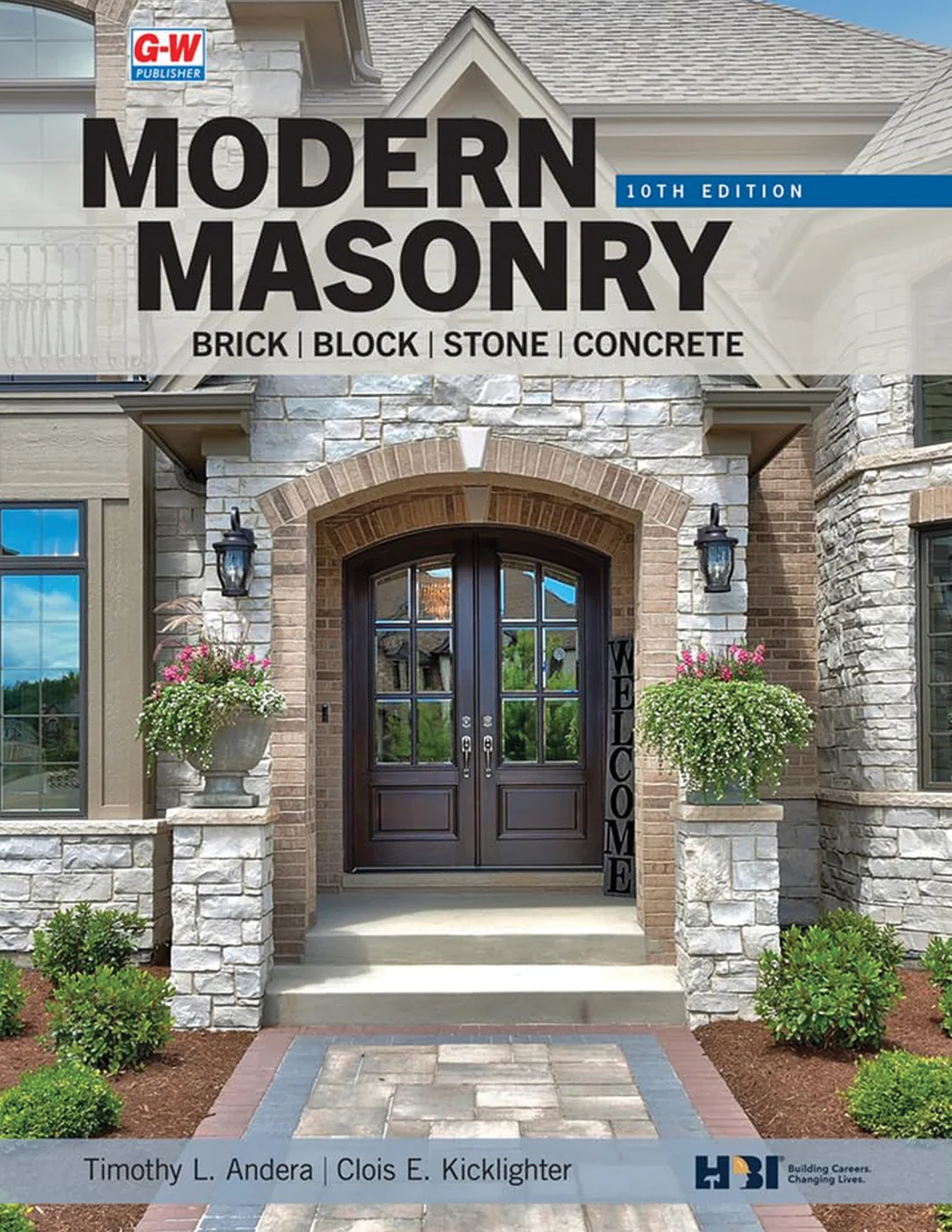
    Modern Masonry: Brick, Block, and Stone Tenth Edition

  • Masonry-Complete_638x756.webp

    Masonry Complete

See More Products

Related Directories

  • Job Well Done

    Job Well Done is field service software built for the countertop industry. The software captures information at the job site (pictures, signatures, issues) and communicates that to the office.
  • Performance Machine Systems

×

Our Newsletters are a rock solid source of industry insights!

Stay in the know on the international stone and tile industry trends.

JOIN TODAY!
  • RESOURCES
    • Advertise
    • Contact Us
    • Directories
    • Store
    • Want More
  • SIGN UP TODAY
    • Create Account
    • eMagazine
    • Newsletter
    • Customer Service
    • Manage Preferences
  • SERVICES
    • Marketing Services
    • Reprints
    • Market Research
    • List Rental
    • Survey/Respondent Access
  • STAY CONNECTED
    • LinkedIn
    • Facebook
    • YouTube
    • X (Twitter)
  • PRIVACY
    • PRIVACY POLICY
    • TERMS & CONDITIONS
    • DO NOT SELL MY PERSONAL INFORMATION
    • PRIVACY REQUEST
    • ACCESSIBILITY

Copyright ©2026. All Rights Reserved BNP Media, Inc. and BNP Media II, LLC.

Design, CMS, Hosting & Web Development :: ePublishing