IPA Laboratories is now offering ANSI A137.1 testing packages designed to evaluate the specific criteria that are missing when products are tested only to ISO standards.
This 12" x 24" rectified porcelain tile installation demonstrates how skilled craftsmanship can overcome ANSI standard deviations—achieving minimal lippage with credit card-width joints and 50% offset—but experts warn such perfect conditions rarely occur and recommend mock-ups for non-standard specifications.
Scott Carothers, academic director for the Ceramic Tile Education Foundation, solves the mystery of large-format tile terminology and explains how the established definition helped determine its subfloor requirements.
Scott Carothers, academic director for the Ceramic Tile Education Foundation, highlights how shoddy tile work around a bathroom drain in a restaurant could have been avoided if the tile installers had referenced ANSI Standards, industry best practices—and a little common sense.
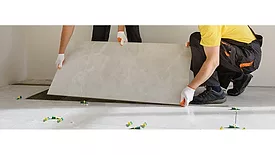
Many tile manufacturers place installation tips and techniques on the cardboard box, and many are based on the industry standards of the American National Standards Institute (ANSI) and industry recognized best practices.
How important is it to prevent moisture from building up behind a shower tile installation? A happy customer and a successful installation are priority.
The University of Ceramic Tile and Stone (UofCTS) has provided training to over 1,000 tile installers over the last several years by providing the online course, “Tile Installer Thin-set Standards (ITS) Verification.”
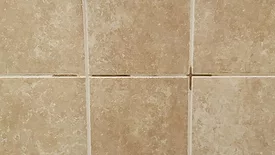
Grout goes in the grout joints and sealant goes in the locations designated as movement accommodation joints by the design professional or engineer, but sometimes it doesn’t work out as planned.