New Quartz Tariffs Will Make America’s Housing Crisis Worse

America is experiencing a housing affordability crisis. For millions of families, the dream of homeownership is drifting further out of reach. Politicians across the spectrum say they want to fix this problem. One trade case under consideration by the government could drive home costs even higher.
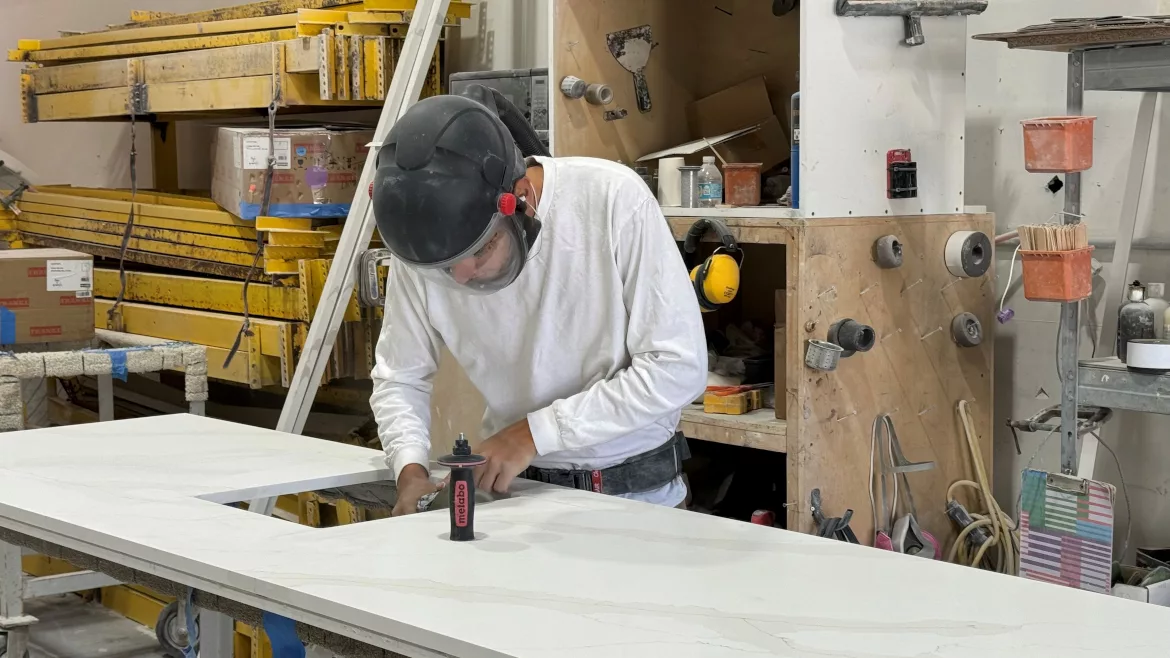
The U.S. International Trade Commission is currently considering whether to recommend steep tariffs and quotas on imported quartz slabs—a common material used for kitchen and bathroom countertops— as a result of a trade petition brought by a couple big corporations. Quartz has become standard in modern homes thanks to its durability, attractiveness, and relative affordability.
For homebuilders, the importance of this trade case goes far beyond countertop aesthetics. Builders are among the largest purchasers of quartz surfaces in the U.S., and trade restrictions that raise prices would ripple directly into the cost of new homes. At a moment when affordability is already stretched to the breaking point, adding new costs to housing inputs is the last thing our country needs.
The scale of today’s affordability crisis is well documented. According to the Federal Reserve, home prices have risen roughly 17% since the pandemic alone. The National Association of Realtors reports that median existing-home prices climbed from $217,100 in 2014 to more than $418,000 in 2024 — an increase of over 90%.
The National Association of Realtors’ Housing Affordability Index shows affordability at its lowest level since the 1980s.
The problem is driven by many factors: regulatory burdens, high mortgage rates, supply shortages, and years of rapid price appreciation. But trade policy makes a difference too. Tariffs and quotas that raise the cost of building materials ultimately show up in the price of homes.
Recently, President Trump echoed the same point, saying “It is the policy of my Administration to reduce regulatory barriers to building homes and to steward taxpayer dollars in a manner that promotes housing affordability. Layers of unnecessary regulatory barriers, slow permitting processes, and onerous mandates at all levels of government have delayed construction, restricted development, and driven up the costs of new housing. These constraints have made housing less affordable for many Americans.”
Homebuilders share that goal. Our industry constantly looks for ways to control the costs of inputs and deliver good homes at affordable prices. Lumber prices, labor costs and land prices all matter. And yes, countertops matter too.
Those pushing for new restrictions on quartz imports misunderstand how the housing market functions. Those pushing these ill-conceived tariffs mistakenly argue that restricting imports will push builders to buy higher-priced, domestically produced quartz.
The notion that tariffs will force companies to buy significantly more expensive quartz is laughable because it was so out of touch with today’s market reality. Builders cannot simply absorb higher costs or pass them on indefinitely.
A decade ago, roughly half of newly built homes featured granite countertops. Quartz gained popularity because it became competitively priced and offered appealing design options, and now account for the vast majority of countertops in new homes.
If tariffs and quotas drive quartz prices sharply higher, the trend will likely reverse and builders will return to granite, solid-surface materials, or even laminate. Builders and remodelers usually substitute based on price and lead time. Consumers will be disappointed when they walk into showrooms and realize the sleek look of more affordable quartz many have seen on home and design shows is no longer available.
Trade restrictions will not redirect demand for quartz in middle-class homes —they will eliminate it altogether. At a time when Americans are already struggling to afford homes, our goal should be to expand supply and reduce barriers, not come up with new ones. America needs more affordable homes. New tariffs on quartz countertops would move us in the opposite direction.
Ken Gear is CEO of Leading Builders of America (LBA), which represents 22 of the largest production homebuilders in the U.S. Together, LBA member companies build more than half of all new single-family homes in the country each year.
Looking for a reprint of this article?
From high-res PDFs to custom plaques, order your copy today!