Valley View Granite: Growth and Strategy
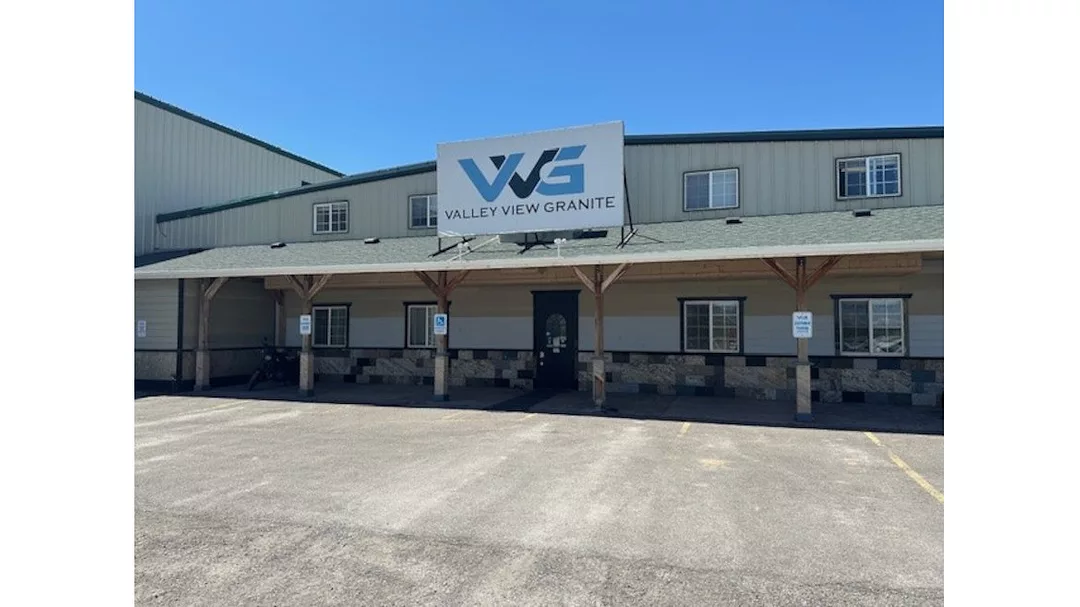
Photo Courtesy of Jason Kamery
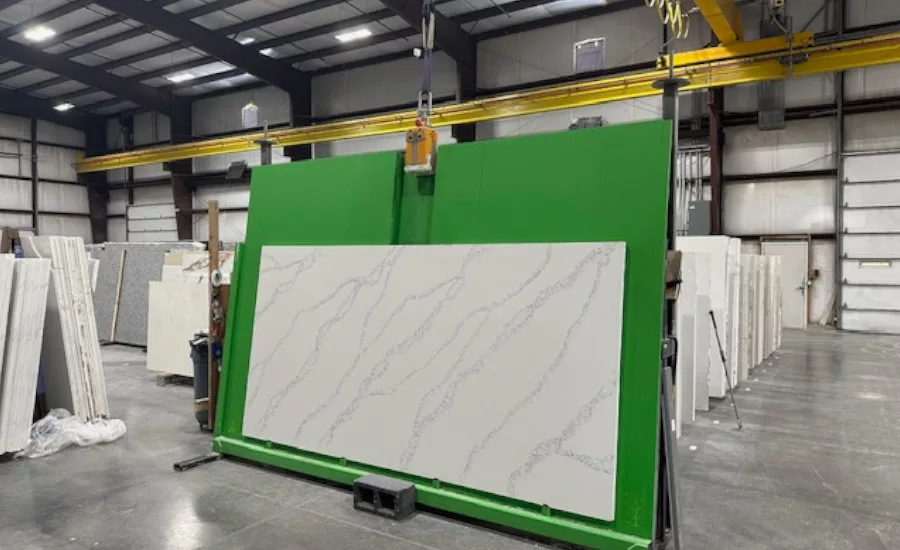
Photo Courtesy of Jason Kamery
Photo Courtesy of Jason Kamery
Photo Courtesy of Jason Kamery
Photo Courtesy of Jason Kamery
Photo Courtesy of Jason Kamery
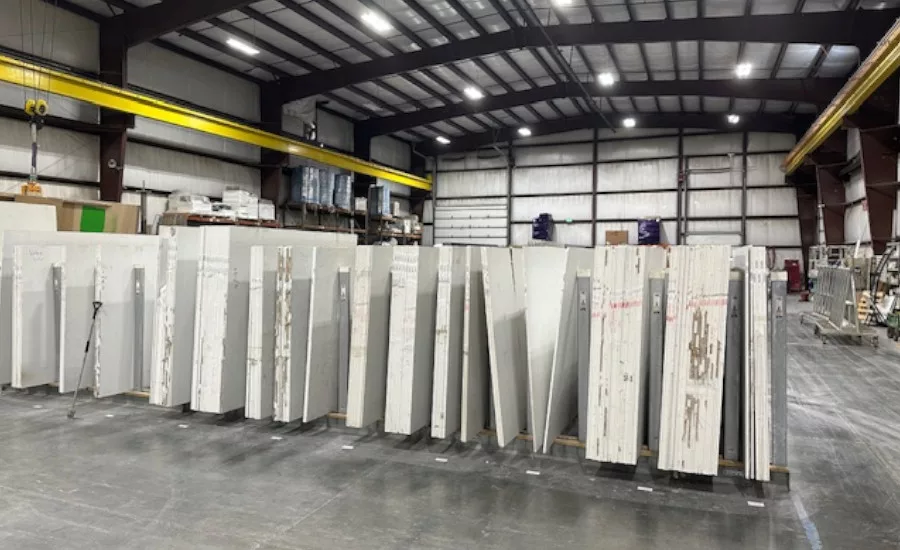
Photo Courtesy of Jason Kamery
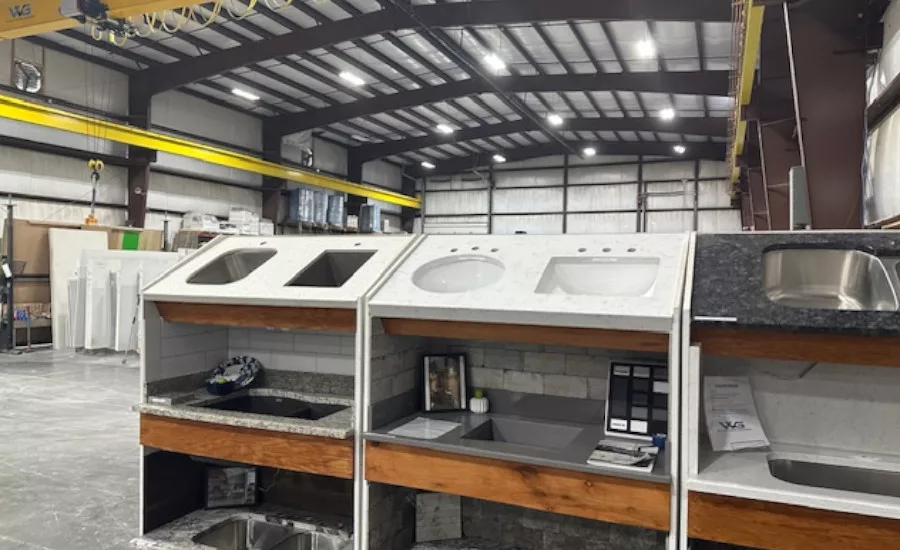
Photo Courtesy of Jason Kamery
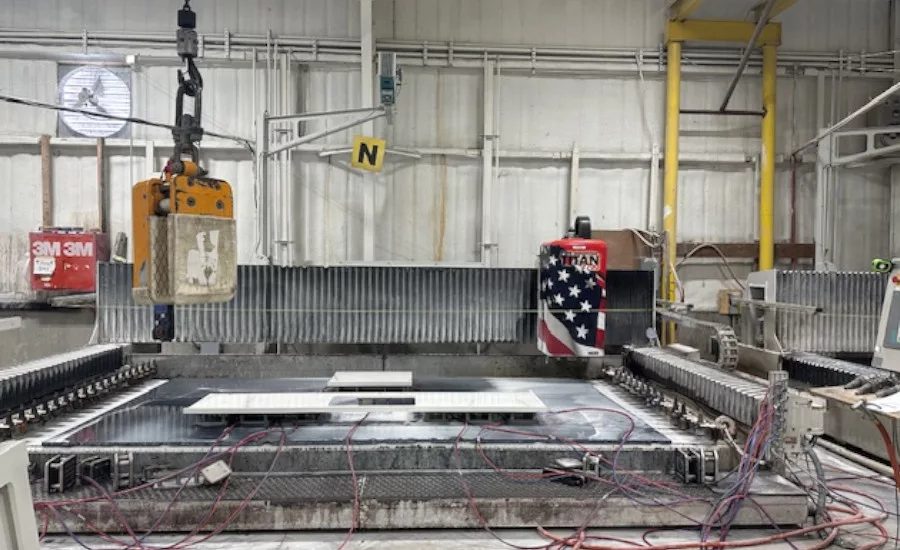
Photo Courtesy of Jason Kamery
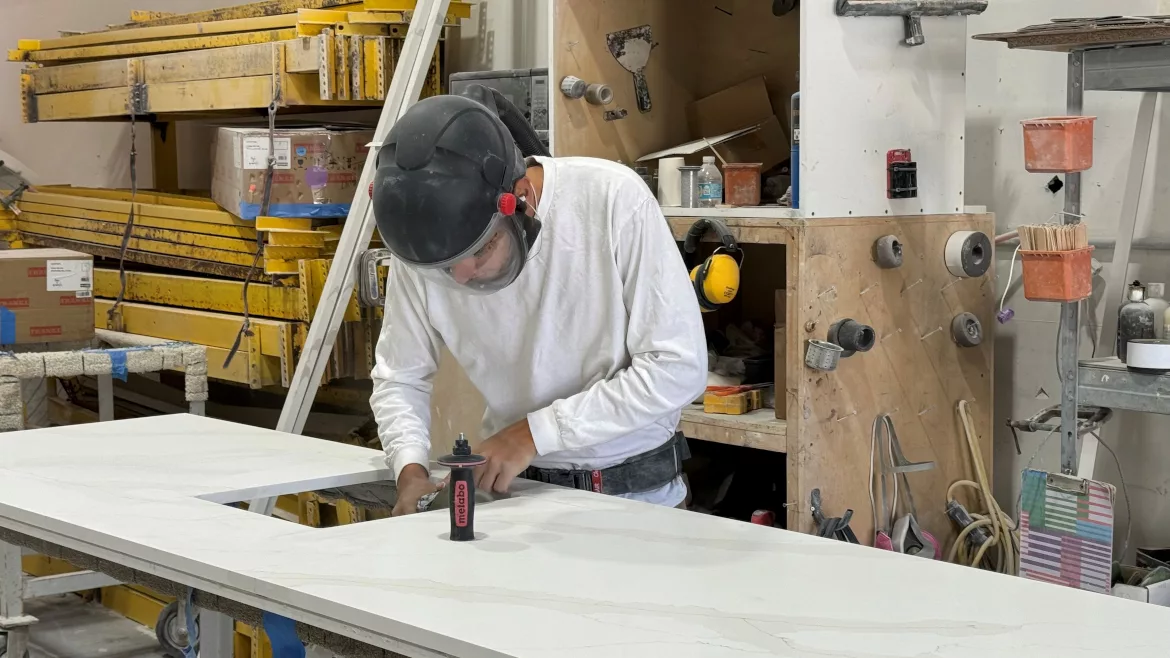
In the heart of northern Utah, surrounded by open skies and rugged terrain, Valley View Granite stands as a quiet powerhouse in the stone fabrication world. What began in a modest shop in Tremonton, with dreams of doing a single kitchen a month has grown into a 90-employee operation producing upwards of 15 jobs a day. With locations stretching into Idaho and Wyoming, the company blends small-town values with modern fabrication precision.
RJay Christensen, a second-generation steward of the family business, which was founded by his father Ricky Christensen and older brother Blake Christensen in 2002, is one of the members of the senior leadership team. Today, Christensen works in the finance department but his understanding of the company is far more expansive. “I was just a kid when it started,” he said. “I worked night shifts in the shop, helped install countertops, managed projects -- I’ve done a bit of everything.”
Valley View Granite primarily fabricates quartz, but natural stone still has its strongholds. “Once we get into rural markets like Idaho Falls and Jackson Hole, there is still a big demand for granite and quartzite,” said Christensen. “People there love that natural, earthy cabin aesthetic --it is what fits.”
In contrast, Utah’s more urban areas lean heavily into trends like bright whites and marble-look quartz. “Everyone wants that clean white vein flow,” said Christensen. “I just want color to come back.”
Yet the tides may be turning. Earth tones are making a quiet comeback and quartzite -- especially selections like Taj Mahal -- are gaining steam. “It gives the marble look, but with the durability people want,” said Christensen.
Sustainability with Substance
While many fabrication shops struggle with leftover remnants, Valley View Granite takes a proactive approach. Every few years, the company brings in a rock crusher to repurpose scraps into landscape material -- shiny fragments of stone that sparkle under sunlight.
“It’s a win-win,” said Christensen. “Better for the environment, and we avoid being taxed on waste. It becomes a finished product, not garbage.”
Valley View Granite’s sister company uses these crushed materials as decorative rock, adding practical beauty to landscaping while reinforcing Valley View Granite’s commitment to sustainable operations. “It’s half-polished already,” said Christensen. “It actually looks great in someone’s yard.”
A Shift in Focus
Once operating a commercial-heavy branch in Salt Lake City, Valley View Granite made the strategic decision to close that facility and double down on northern Utah. “The Salt Lake market is saturated,” said Christensen. “Up here, we have room to grow and less competition. That’s where we’re focusing now.”
As a result, their work is now 90 to 95% residential -- mostly new builds and remodels through relationships with builders and general contractors. “Most of our business is word of mouth,” said Christensen. “We have tried some radio ads, a bit of Google, but honestly, the next step for us is building a better CRM and ramping up our marketing strategy.”
Valley View Granite is no stranger to fabrication challenges. Porcelain, for example, is growing fast in popularity -- driven by designer demand and silica safety concerns -- but it comes with a steep learning curve. “We’ve seen a lot of cracking and breakage with Dekton,” said Christensen. “Other products like Neolith and Laminam have been more forgiving.”
Their experience mirrors a larger trend in the industry -- early adopters struggling with safety risks and production losses, but persevering because of the immense market demand.
“It’s going to be the next big thing,” said Christensen. “You can feel it.”
People and Process
The company operates with approximately 10 installation crews across their service areas and supplements with hired crews as needed. They have invested in digital templating -- primarily using Proliners -- and maintain a structured team of project managers, estimators, and both inside and outside sales staff.
“The outside team builds and nurtures the builder relationships,” said Christensen. “The inside team handles the quoting and logistics.”
Still, they are not afraid to adapt. A remnant program is in the works to bring more transparency and efficiency to material reuse. “We're figuring out how to track and manage it better,” said Christensen. “Clearance slabs, deep discounts – it is all part of making sure nothing goes to waste.”
And in a uniquely thoughtful gesture, they often turn sink cutouts into custom cutting boards -- a small gift that leaves a lasting impression with homeowners.
A Family Legacy
Perhaps the most compelling part of Valley View Granite’s story is its foundation: a family business built by RJay’s father and older brother, Blake. “There’s been a lot of growing pains,” said Christensen. “But it is incredible to look back and see how far we have come.”
From single kitchens to airport terminals and NBA arenas -- including countertops at the Vivint Arena, home of the Utah Jazz -- Valley View Granite is proof that growth does not have to mean losing your identity.
“We are proud of where we are, but we know we have still got a long way to go,” said Christensen.
Looking for a reprint of this article?
From high-res PDFs to custom plaques, order your copy today!