Silicosis Side Effects May Include Cognitive Decline, Study Warns

Photo Courtesy of Environmental Research
A new study warns that silica dust exposure may cause deposits to form in the brain, potentially impairing cognitive function, adding to the known occupational risks of silicosis and serious lung damage that stone cutters and kitchen countertop manufacturers may face.
According to findings published in the journal Environmental Research last month, Chinese researchers warn that silica dust exposure and silicosis may also affect the brain, leading to cognitive decline.
Silicosis is an irreversible lung condition that is only known to be caused by routine exposure and inhalation of silica dust, which is often associated with cutting or fabricating artificial stone countertop products. The condition begins with lung inflammation and scarring, and often leads to the development of lung failure, and the need for transplant surgery.
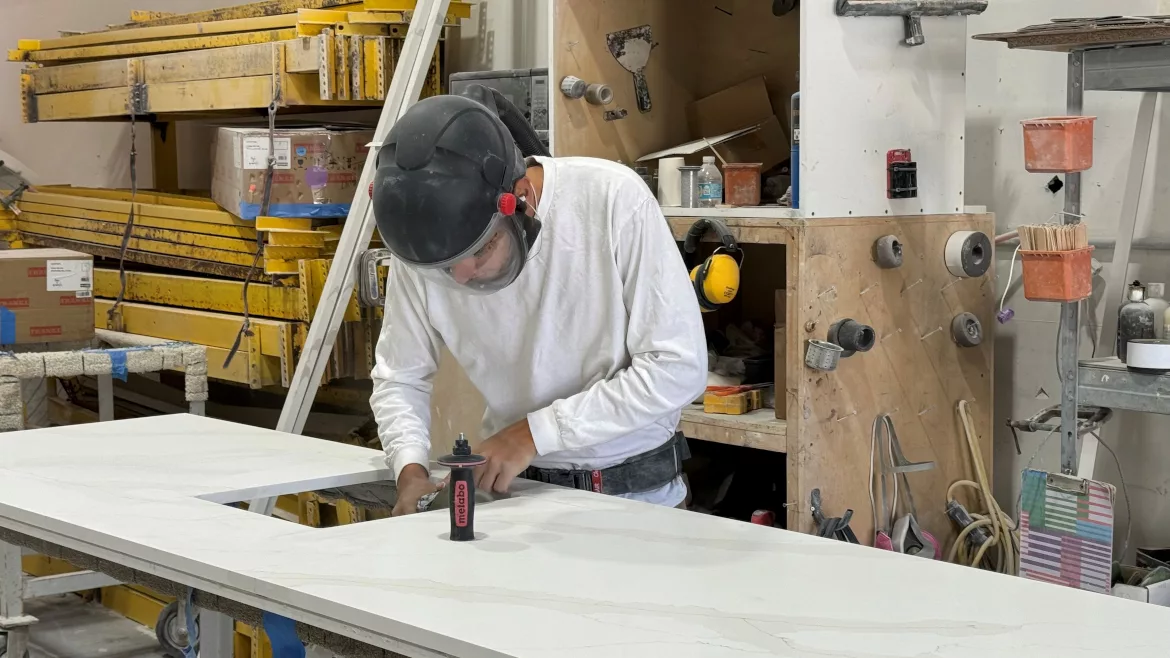
The artificial stone cutting and fabricating industry is considered a primary source for silica dust exposure. Also known as “engineered stone,” the material is commonly used to make quartz countertops, which pose a significant silicosis risk to stone cutters who inhale large amounts of silica dust during fabrication.
In the new study, a group of Chinese researchers used mice to look for the buildup of beta amyloids in the brain, as well as signs of pulmonary fibrosis and other indicators of silicosis through the use of CT scans.
Led by Xiangguang Shi of Huashan Hospital and Fudan University, the research team found that beta-amyloid deposition in the brain was linked to the severity of silicosis and pulmonary fibrosis. The findings suggested that the most affected regions were at the cranial base, which includes the hypothalamus, thalamus and brainstem. The researchers speculated that these areas could be affected because they are linked with respiratory functions, or because they are the first places inflammatory mediators may reach after traveling through the bloodstream.
Silicosis Lawsuits
The findings come amid an increasing number of silicosis lawsuits being filed in recent months, almost exclusively involving the fabricated stone industry in California.
Each claim involves similar allegations that manufacturers of fabricated stone countertops failed to provide workers with adequate warnings and protection from the risks of silica dust exposure. This has led to severe injuries, the need for lung transplants and deaths among stone cutters, the lawsuits indicate.
Plaintiffs argue that manufacturers and employers knew about these risks to workers, but failed to take sufficient measures to educate or protect employees, violating occupational safety regulations.
As a result, lawyers across the United States are providing free case evaluations for individuals who were exposed to silica dust throughout their careers and have subsequently been diagnosed with silicosis.
Looking for a reprint of this article?
From high-res PDFs to custom plaques, order your copy today!